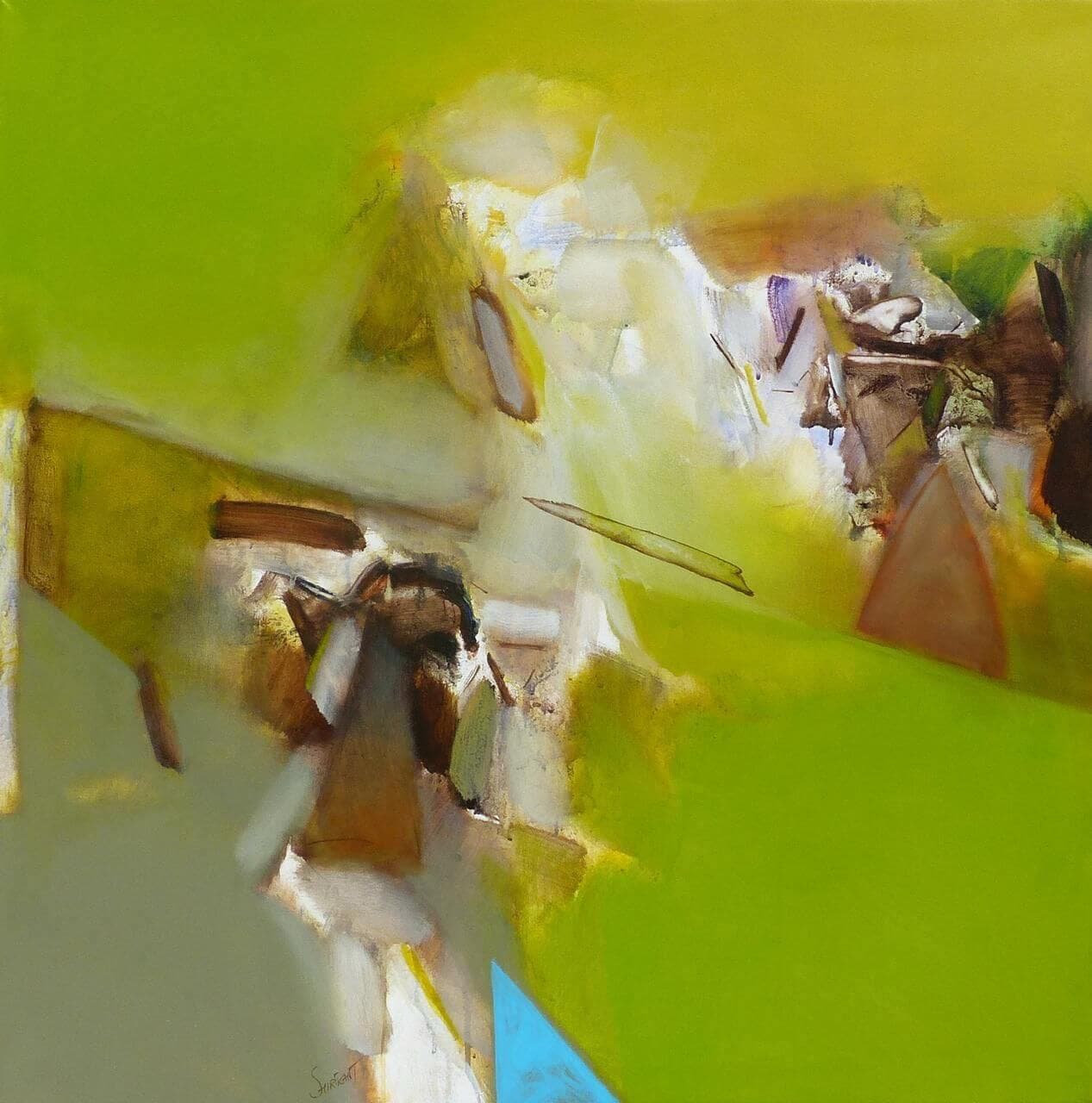
Cubism, an art movement that revolutionized the way we perceive reality, continues to captivate art enthusiasts and collectors alike. Whether you're a first-time art buyer or a seasoned collector, exploring the fascinating world of cubist paintings offers a unique and thought-provoking experience.
Emerging in the early 20th century, cubism was a groundbreaking movement that challenged traditiona...
Cubism, an art movement that revolutionized the way we perceive reality, continues to captivate art enthusiasts and collectors alike. Whether you're a first-time art buyer or a seasoned collector, exploring the fascinating world of cubist paintings offers a unique and thought-provoking experience.
Emerging in the early 20th century, cubism was a groundbreaking movement that challenged traditional notions of representation in art. Pioneered by artists Pablo Picasso and Georges Braque, cubism sought to depict the multidimensionality of objects and subjects by breaking them down into geometric forms, often presented from multiple viewpoints in a more comprehensive and abstract way. Additionally, cubism provided artists with a means to challenge established artistic conventions, experiment with new forms of expression, and push the boundaries of visual representation.
While cubism initially faced resistance and controversy, it has gained widespread recognition and popularity over time. Today, cubist paintings continue to resonate with art enthusiasts due to their ability to evoke a sense of intellectual engagement and visual intrigue. The fragmented forms and geometric compositions of cubist artworks offer viewers a fresh perspective, encouraging them to actively participate in deciphering the subject matter and interpreting the artist's intent. Furthermore, the enduring relevance of cubism lies in its influence on subsequent art movements and its lasting impact on the development of modern and contemporary art.
Picasso's seminal work, "Les Demoiselles d'Avignon," marked a radical departure from traditional representation and laid the foundation for the cubist movement. His fragmented forms and distorted perspectives challenged the norms of Western art and paved the way for further experimentation within the style. Braque, Picasso's close collaborator, explored the possibilities of cubism by incorporating collage elements into his paintings, introducing new textures and layers to the art form.
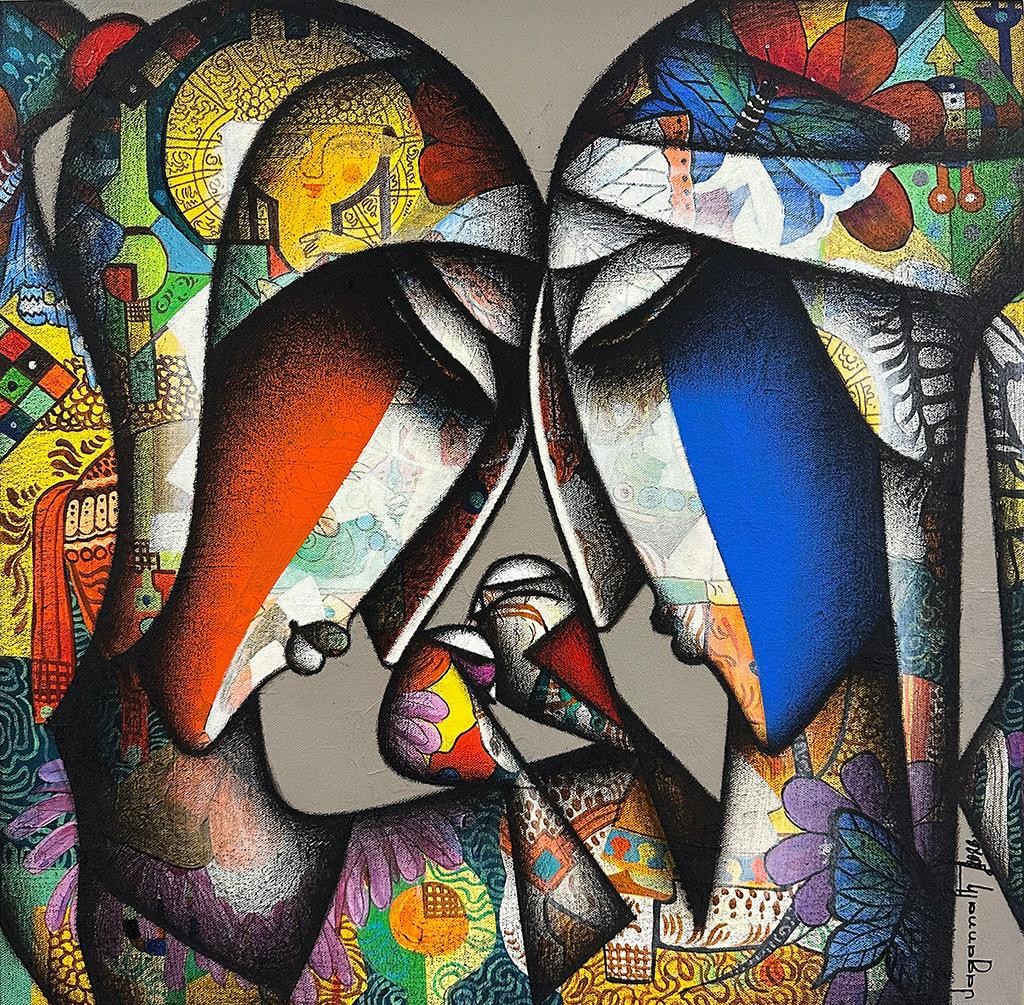
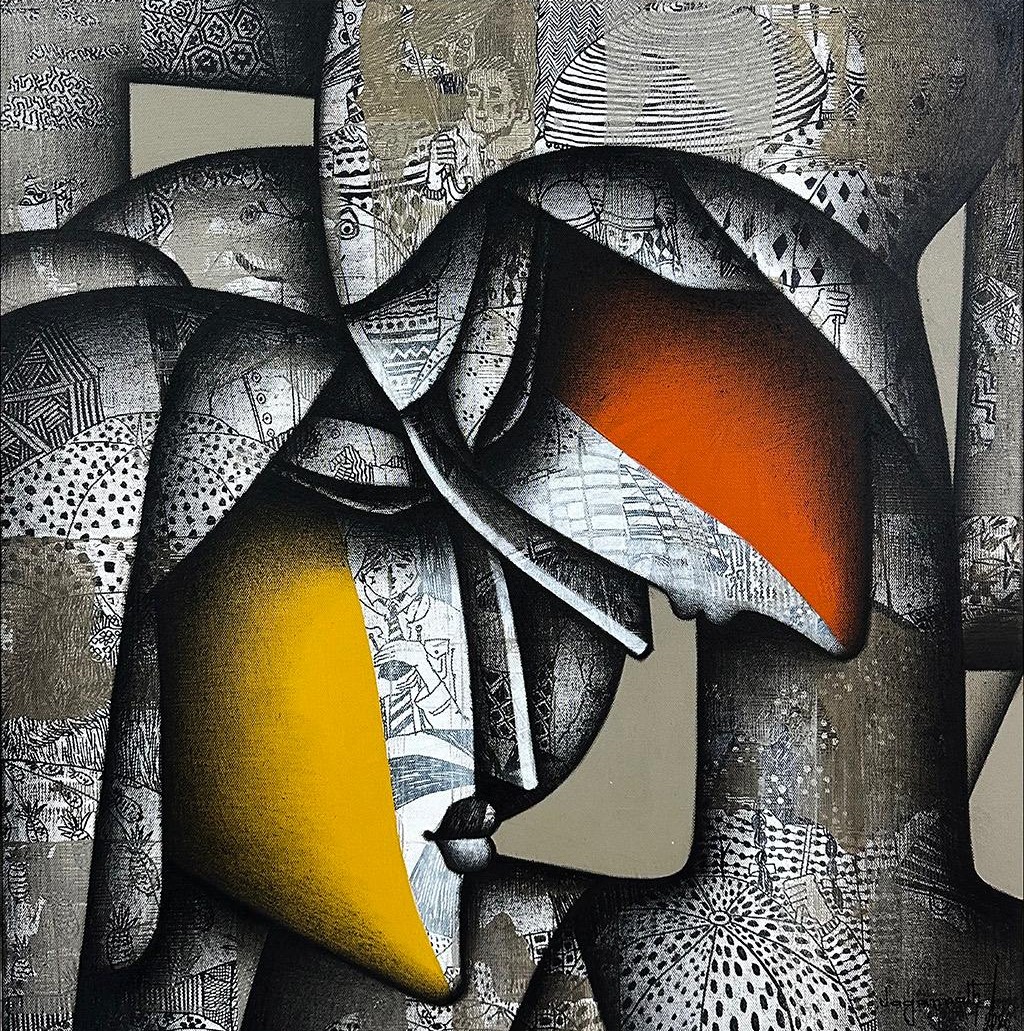
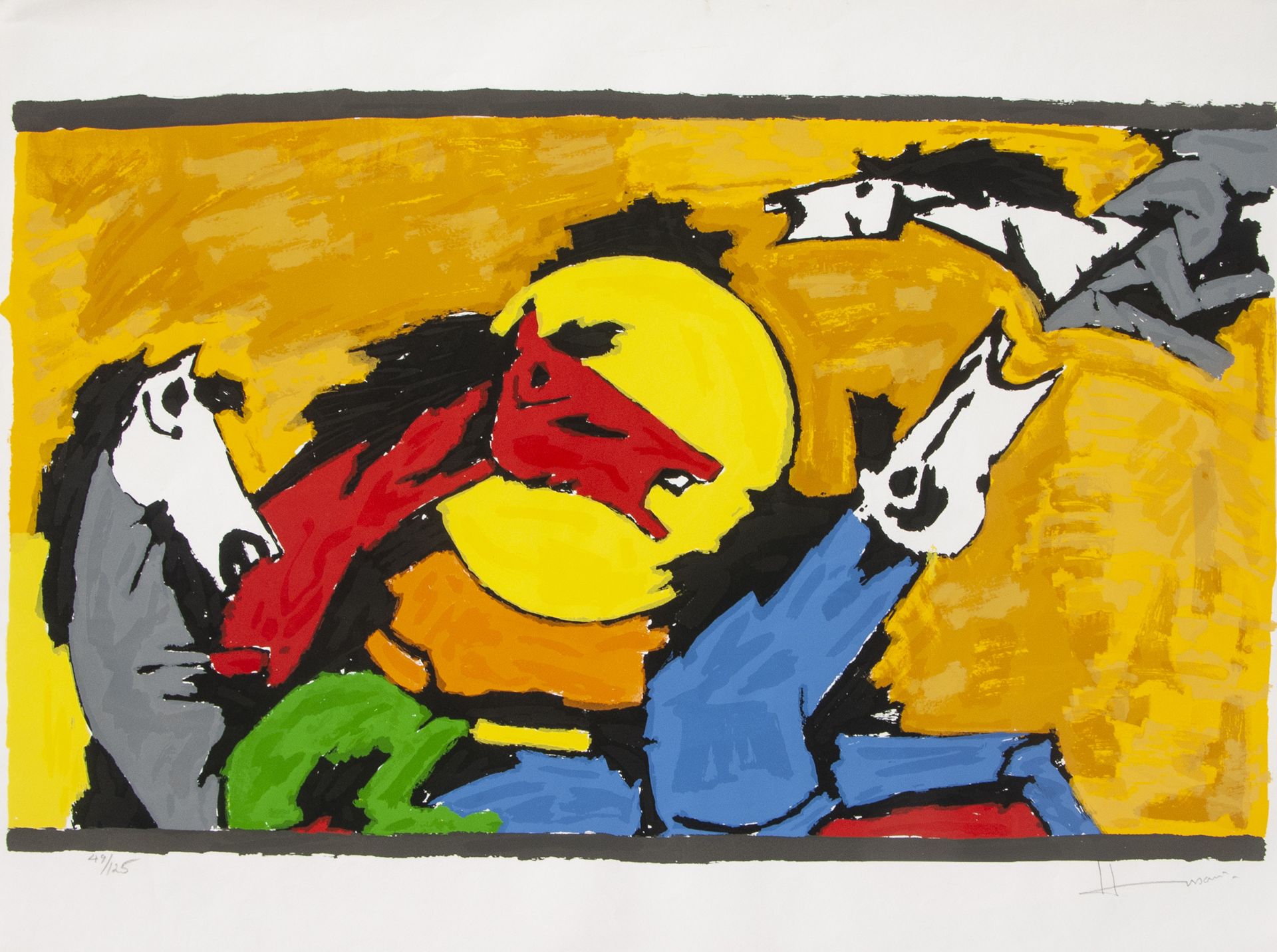
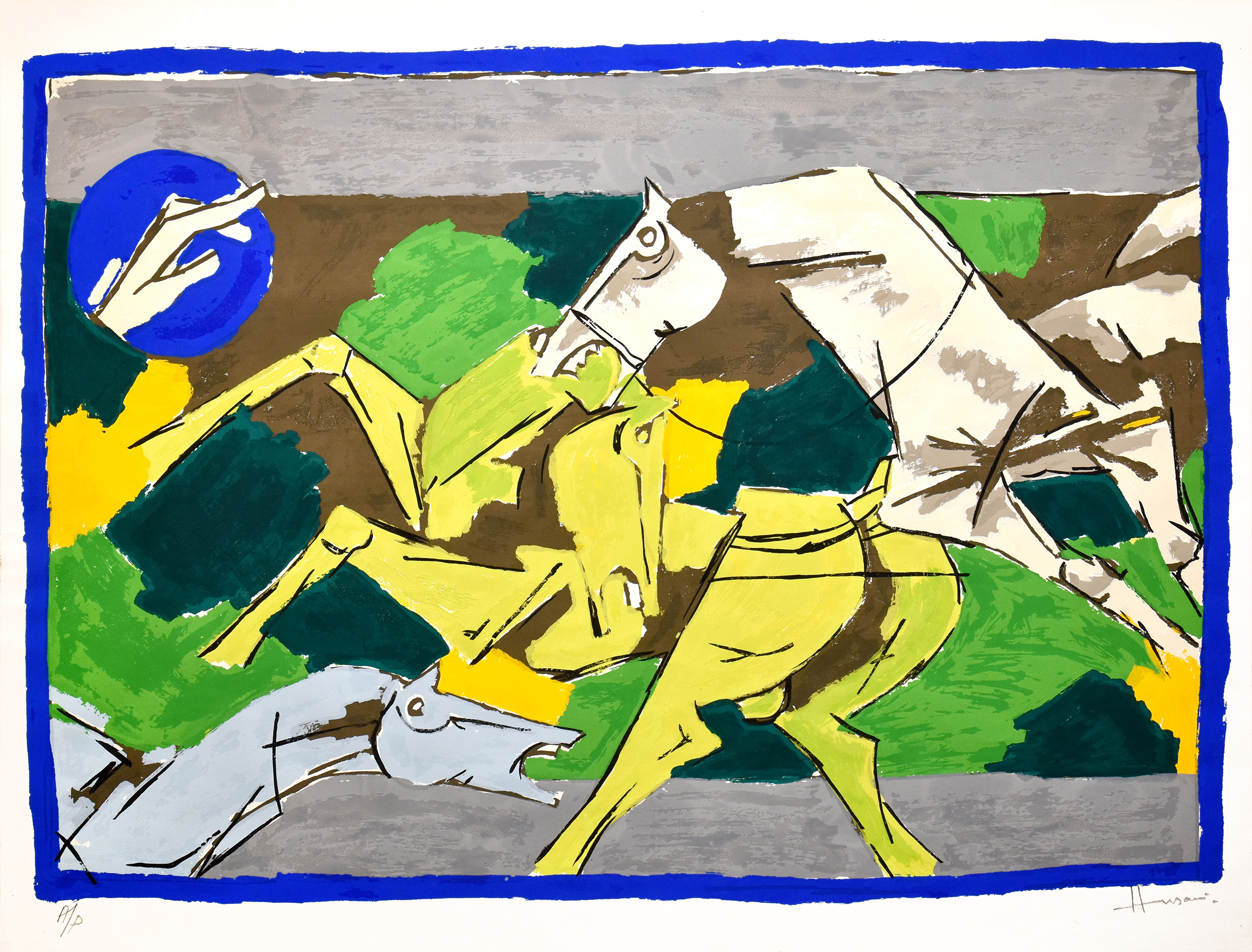
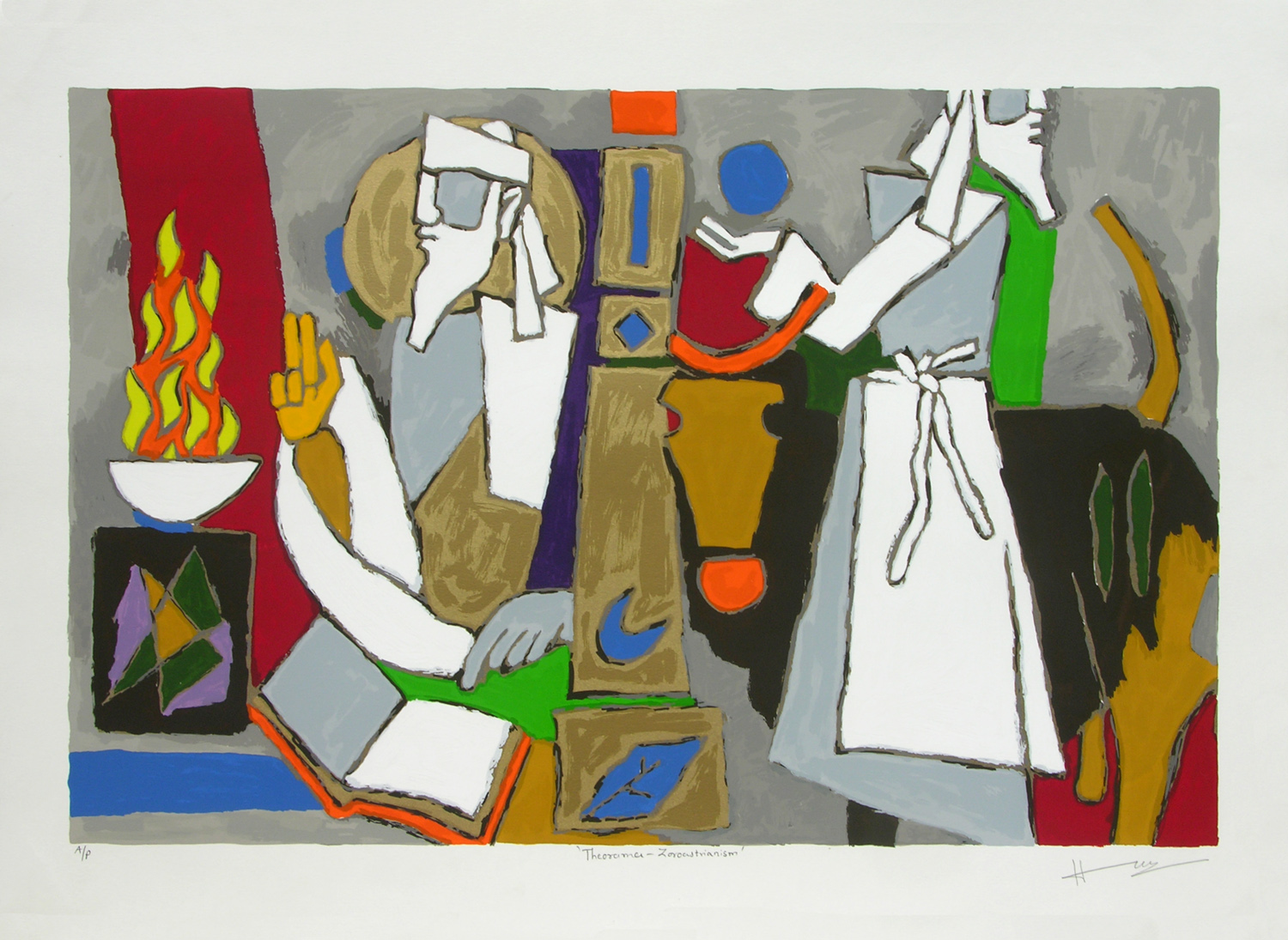
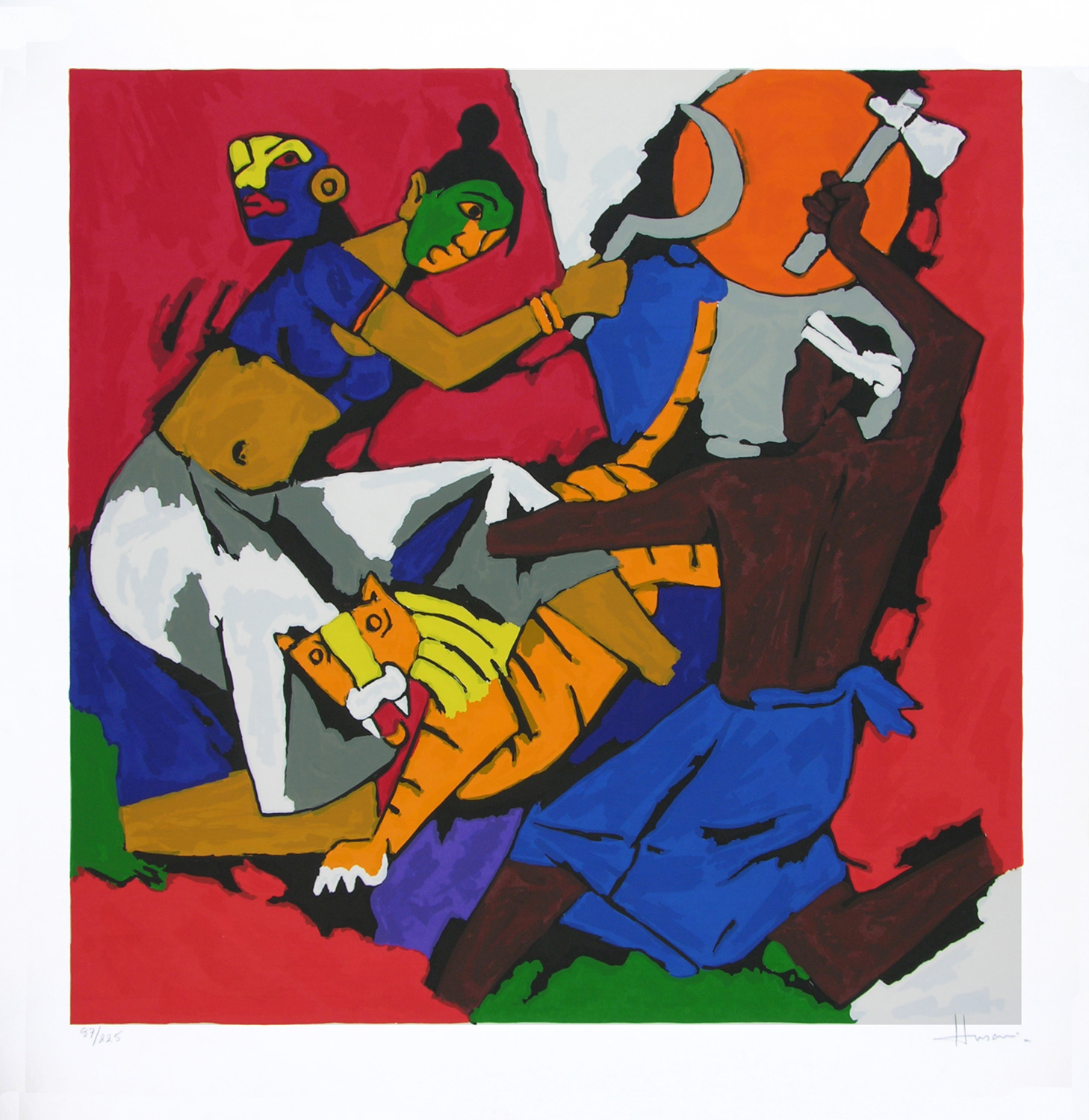
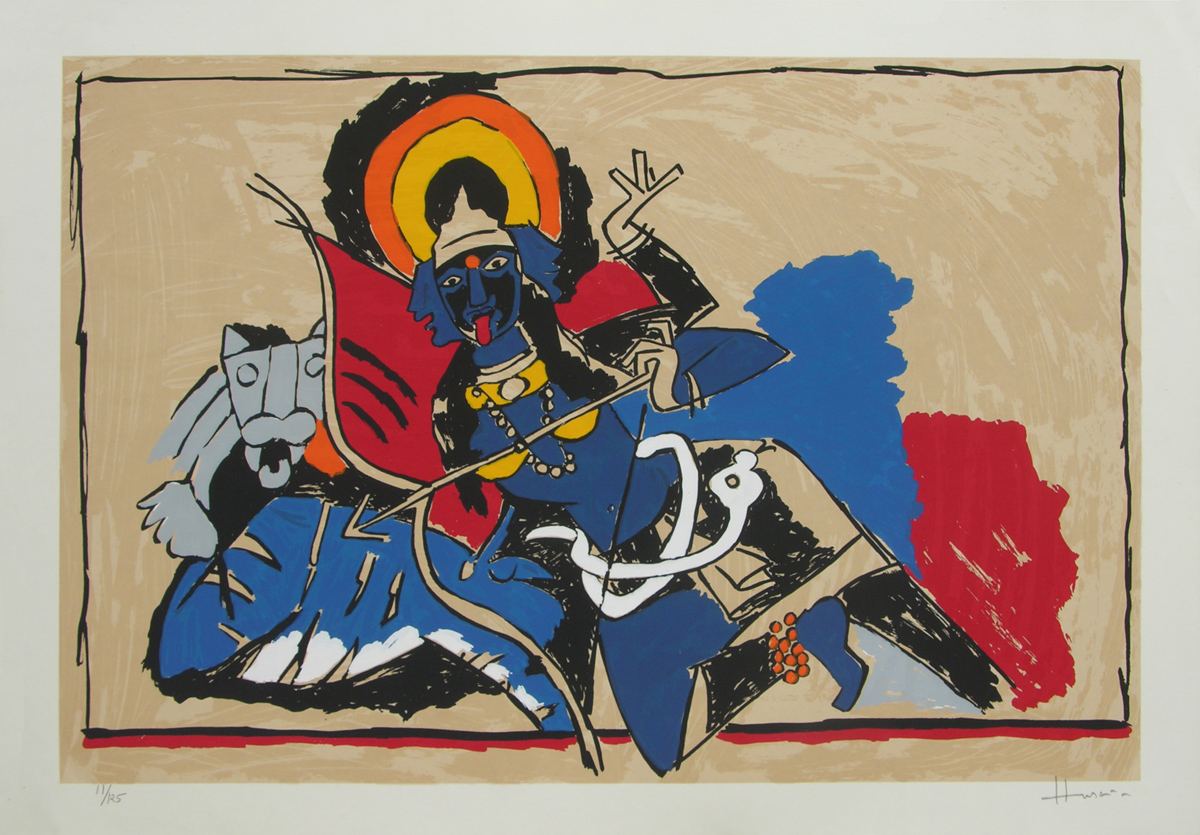
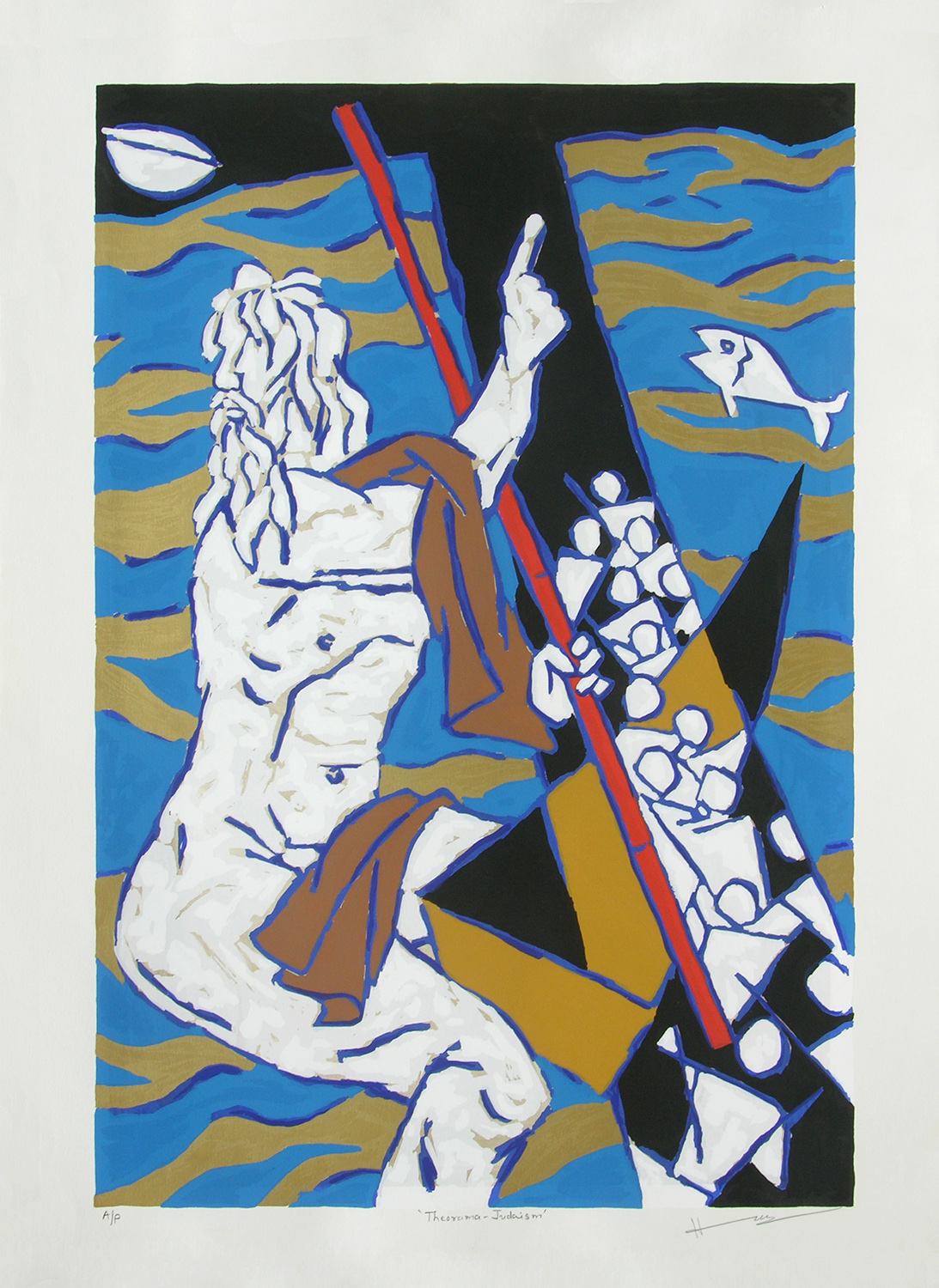
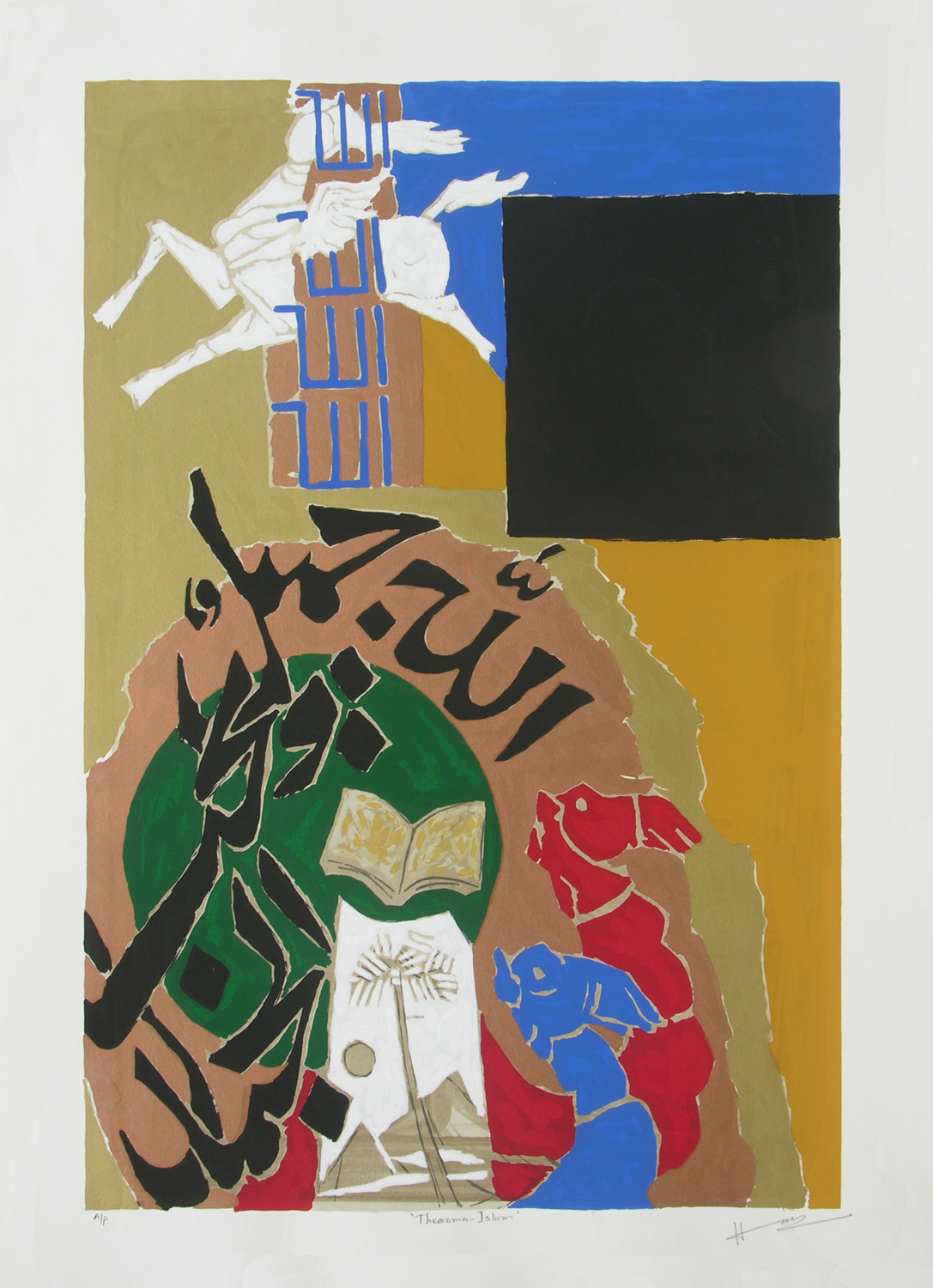
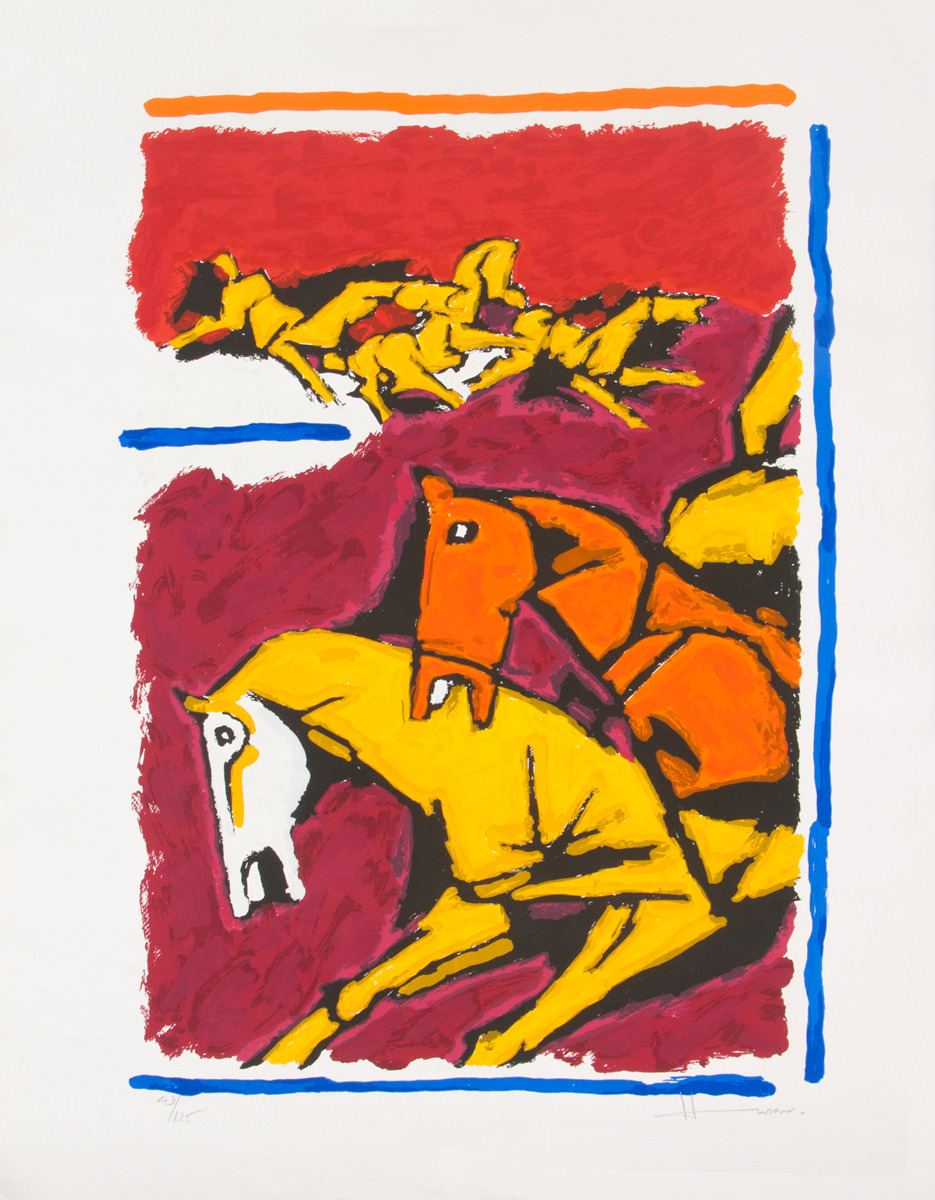
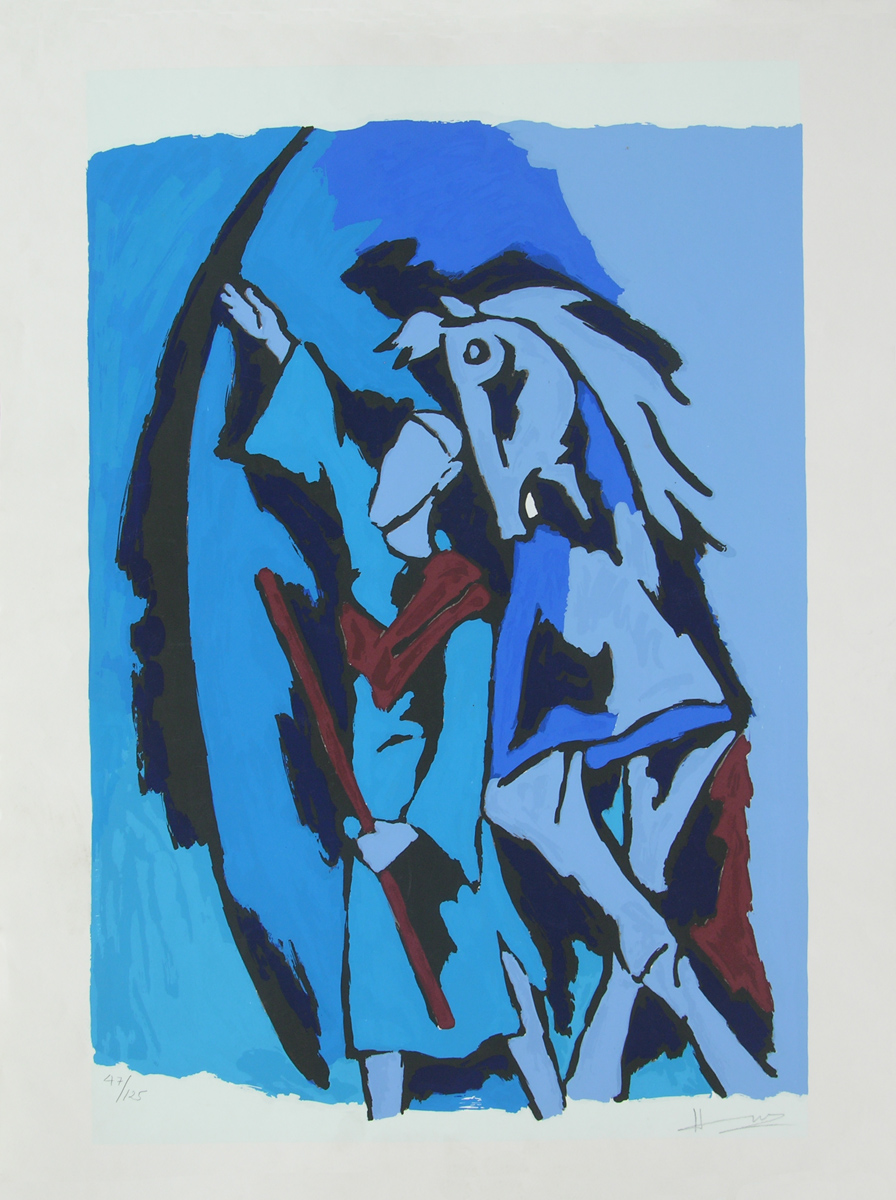
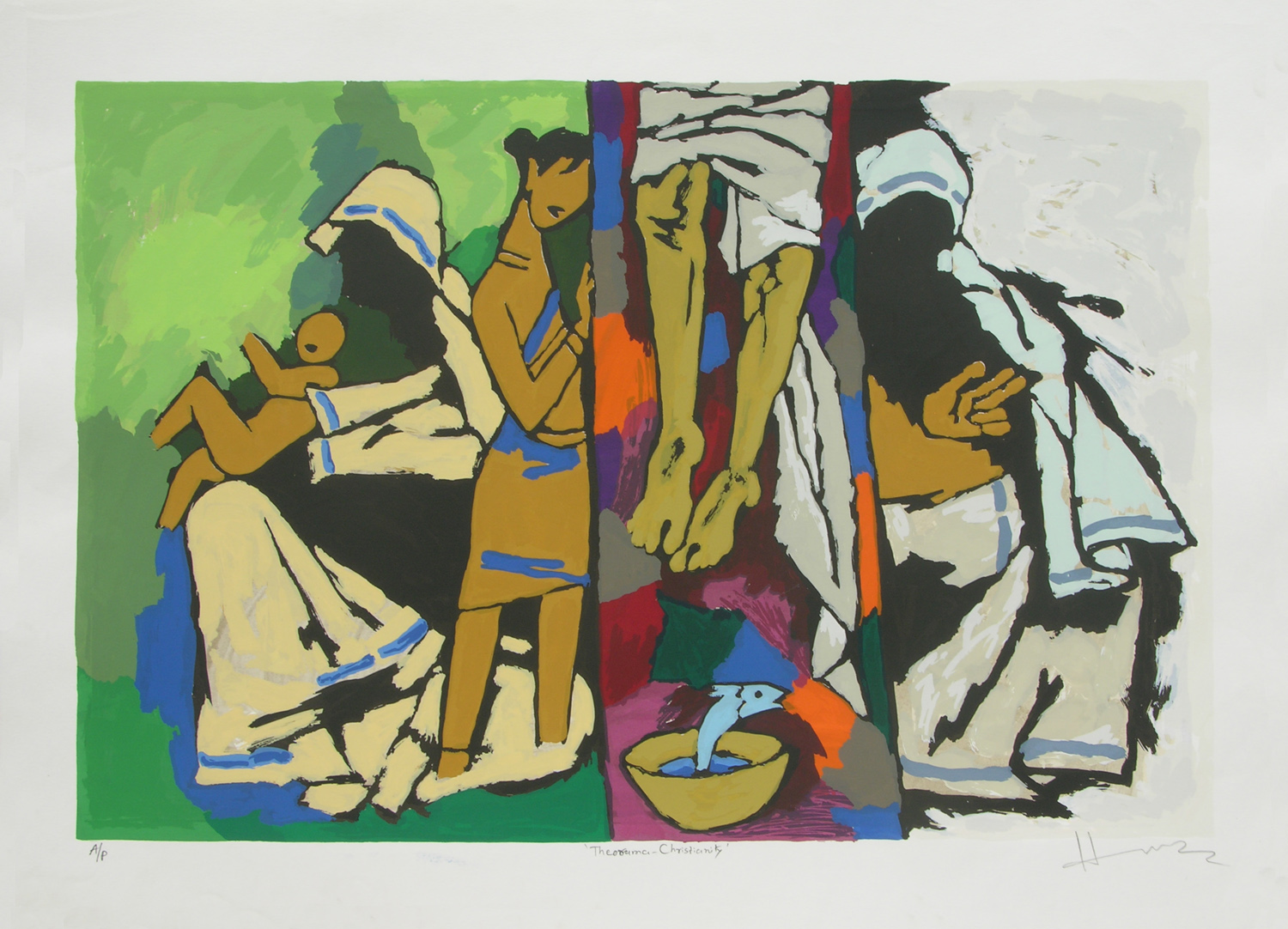
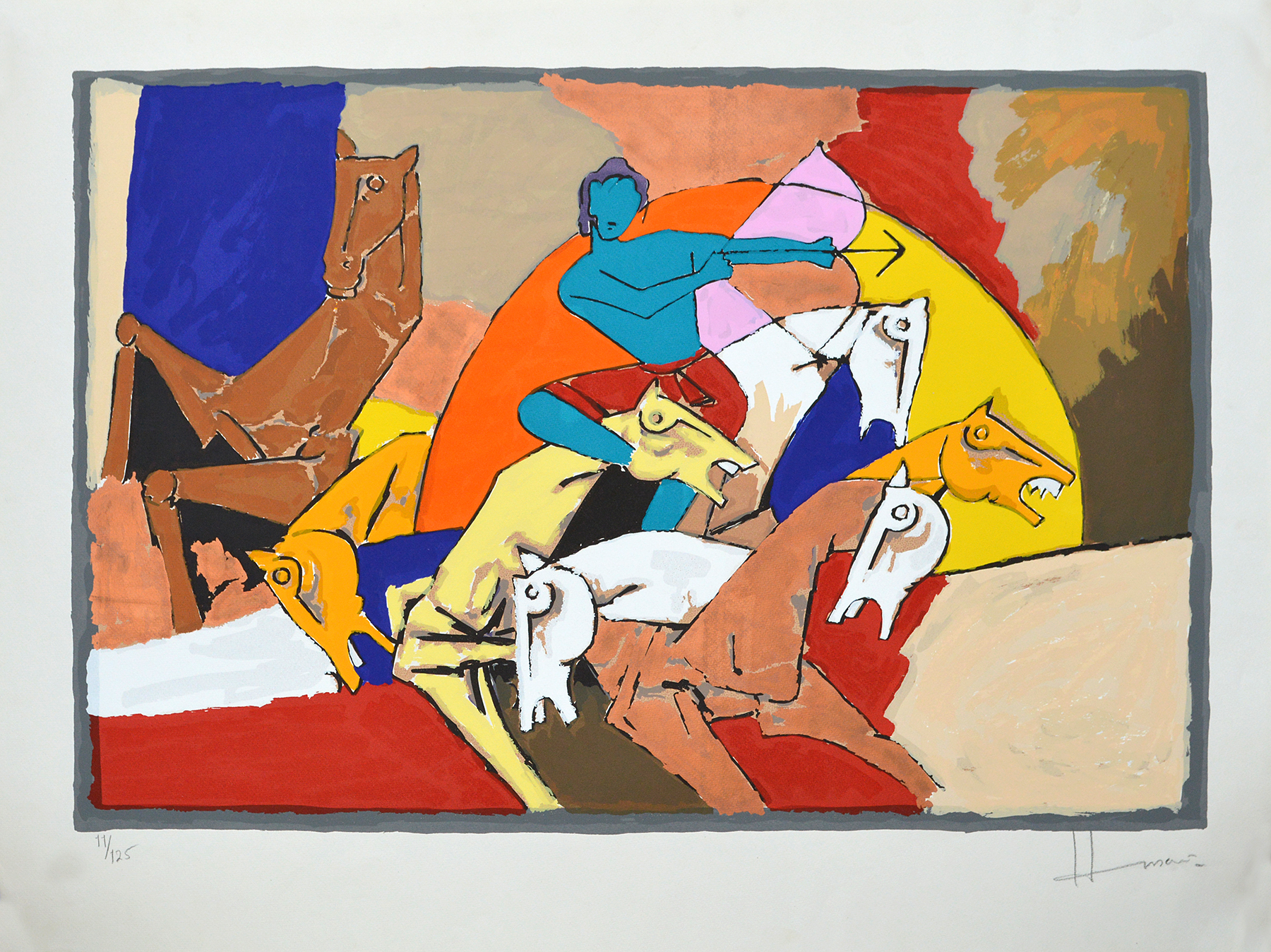
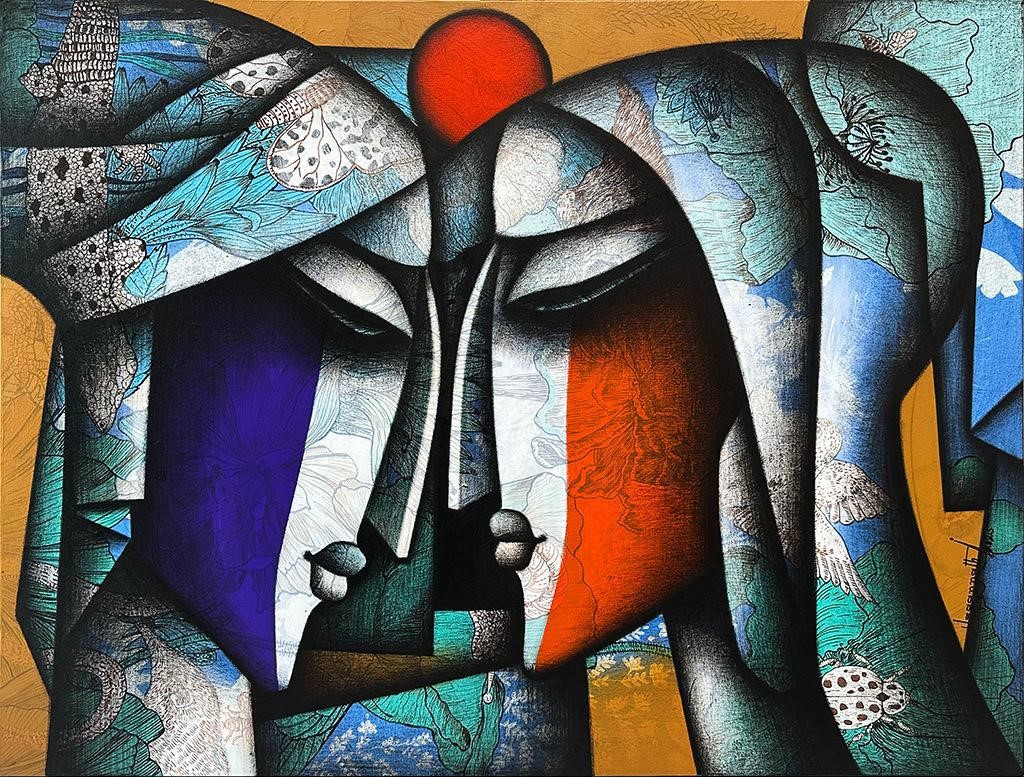
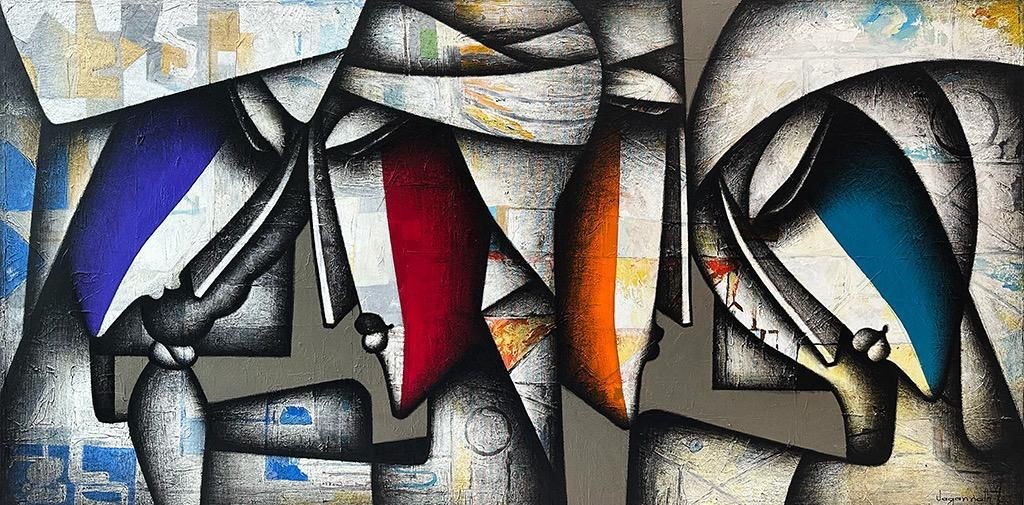
Cubism had a significant impact on Indian art, particularly during the 20th century when Indian artists were seeking new modes of artistic expression. Influenced by the global artistic developments of the time, Indian artists embraced cubist principles and incorporated them into their works. Cubism provided Indian artists with a fresh perspective on traditional subject matters, enabling them to deconstruct and reinterpret them in geometric and abstract forms. Indian artists such as F.N. Souza, M. F Husain, S. H Raza and Tyeb Mehta were among those who incorporated cubist elements into their artistic practices. In the early 20th century, Pablo Picasso and Georges Braque developed Cubism, an art movement that challenged traditional Western notions of perspective, representation, and space. Browse through our collection to find serigraphs of cubist art by masters like M.F Husain and Jehangir Sabavala and originals of established contemporary artists like Jagannath Paul and Dinkar Jadhav.