
Laxman Aelay is an artist who paints not just from observation but from lived memory. His work is steeped in the textures of Telangana’s rural life, especially that of the Dalit communities and driven by a fierce belief: art is not simply culture, it is identity. His figures, especially the women, rise from the canvas with dignity and defiance. No longer symbols of poverty or silence, they become...
Laxman Aelay is an artist who paints not just from observation but from lived memory. His work is steeped in the textures of Telangana’s rural life, especially that of the Dalit communities and driven by a fierce belief: art is not simply culture, it is identity.
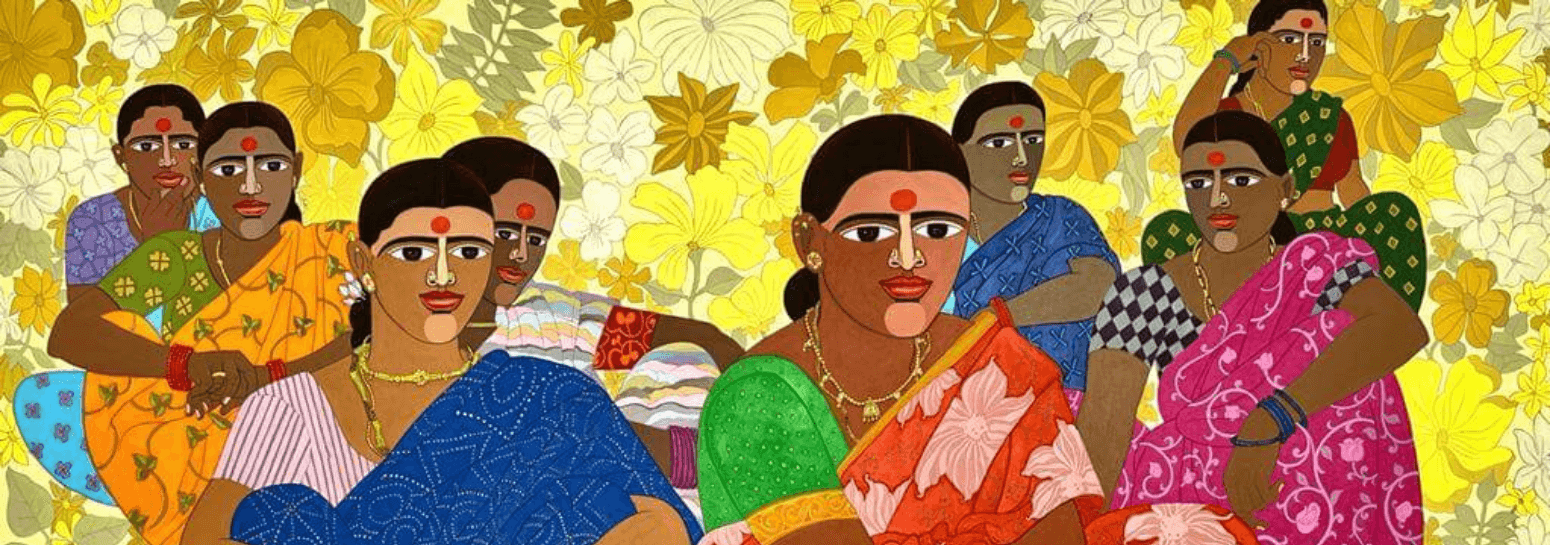
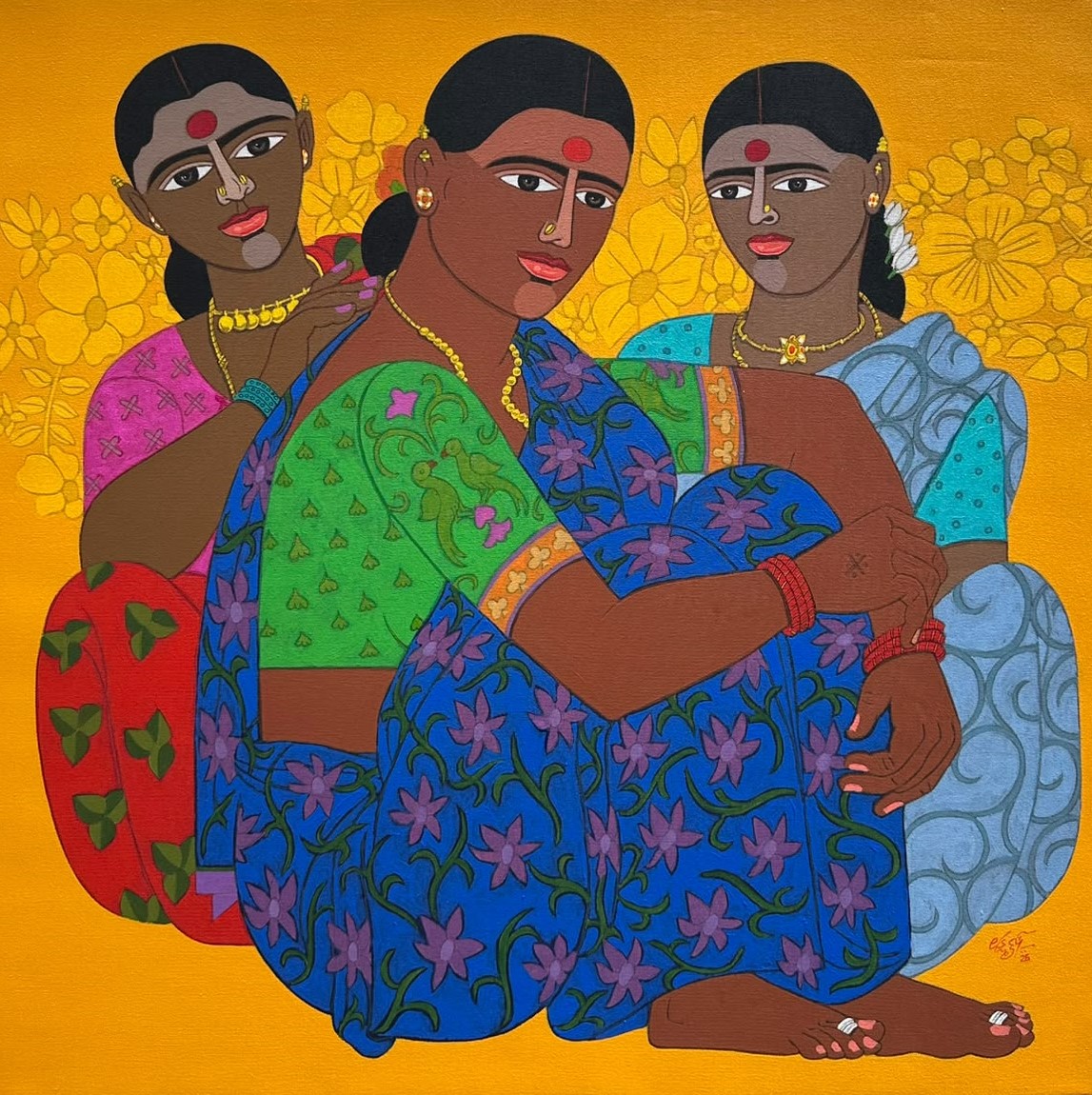
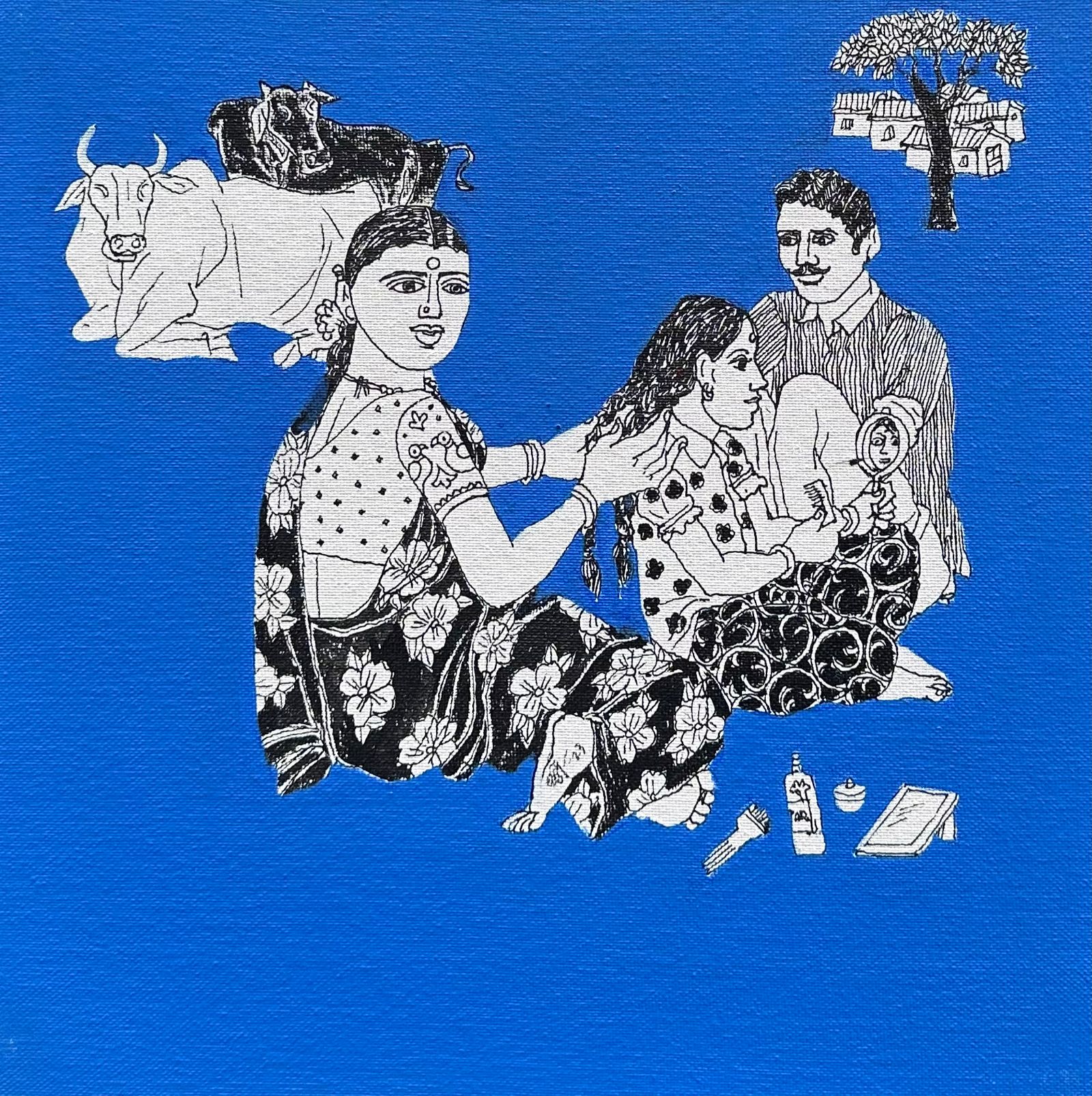
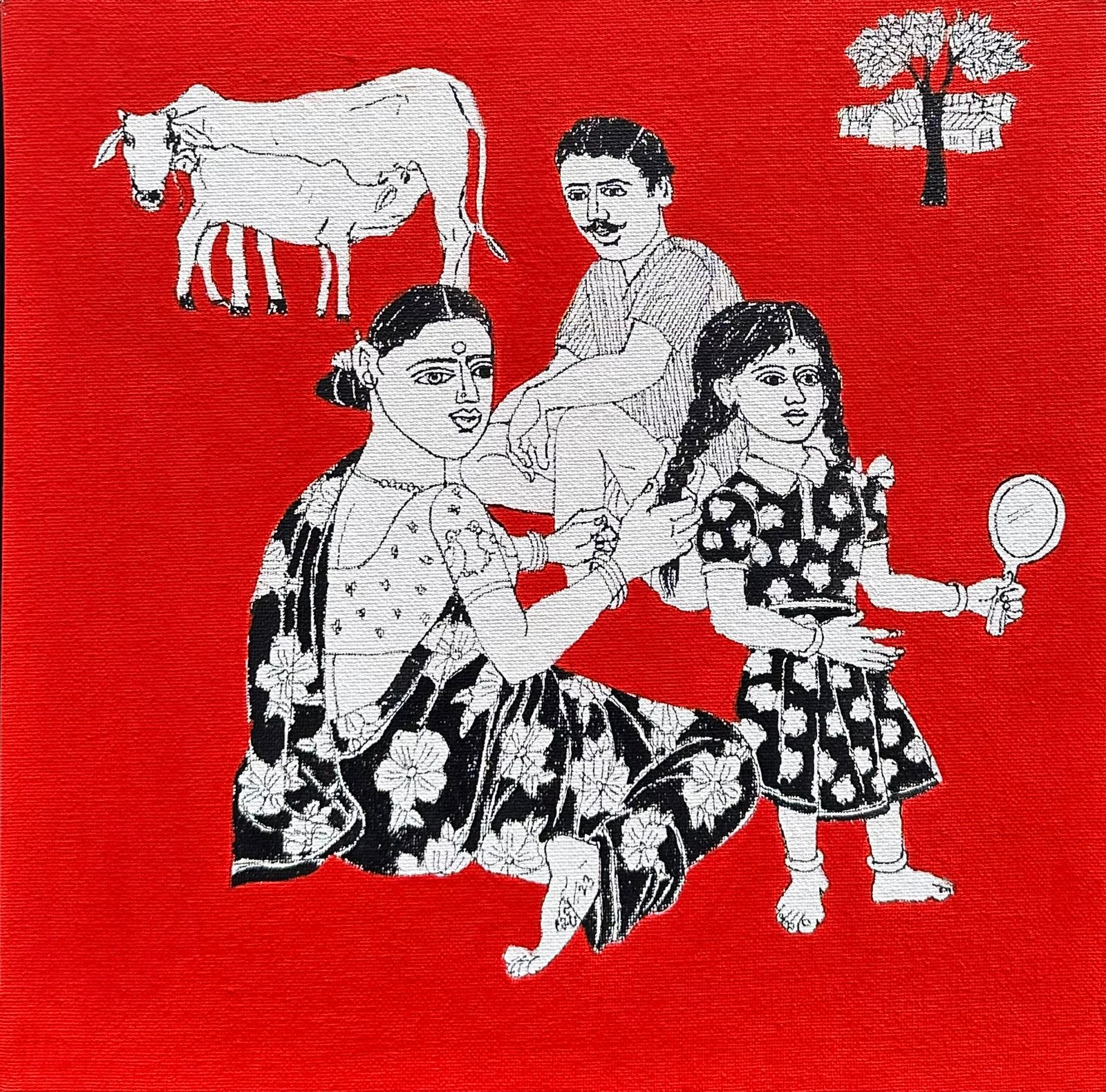
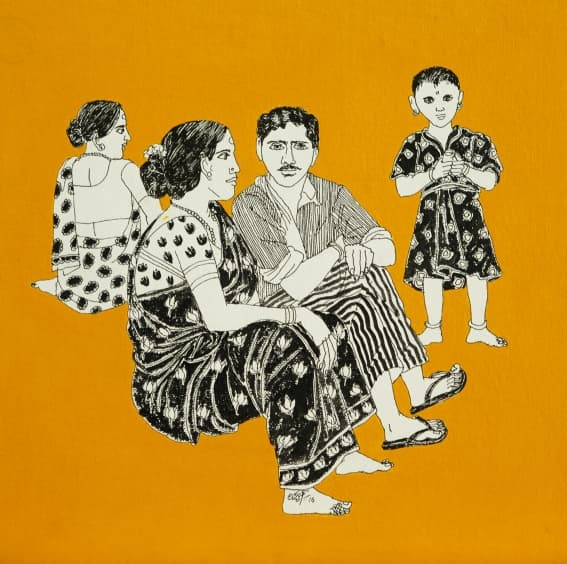
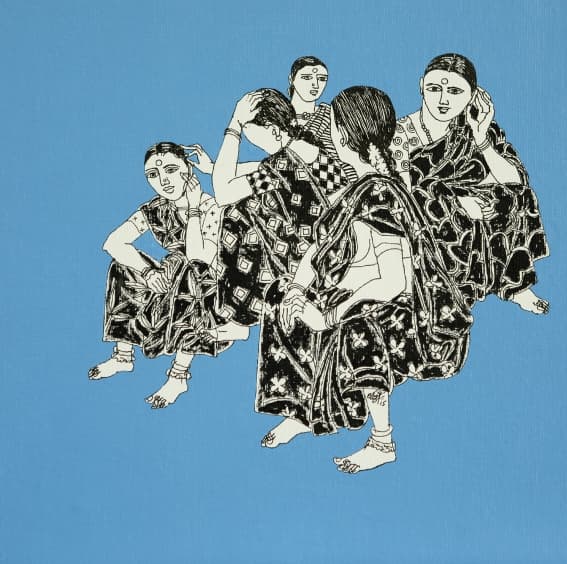
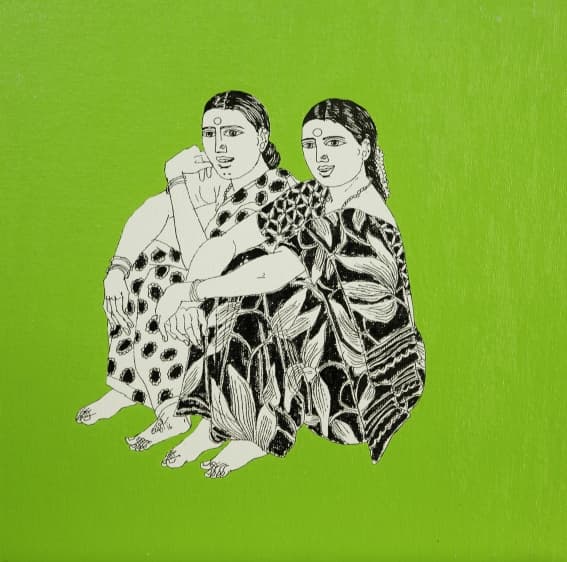
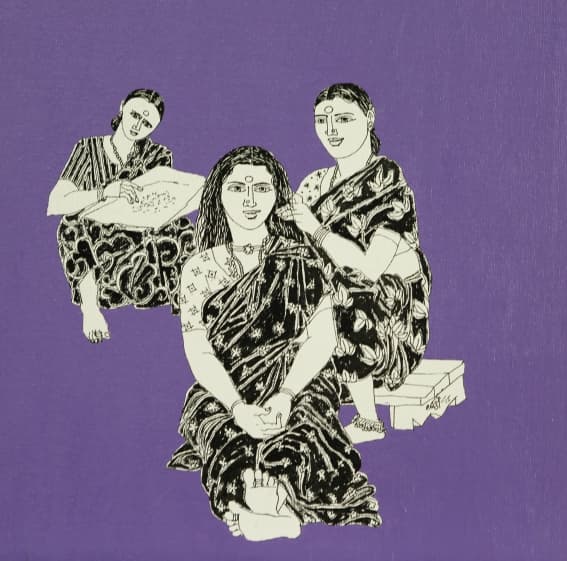
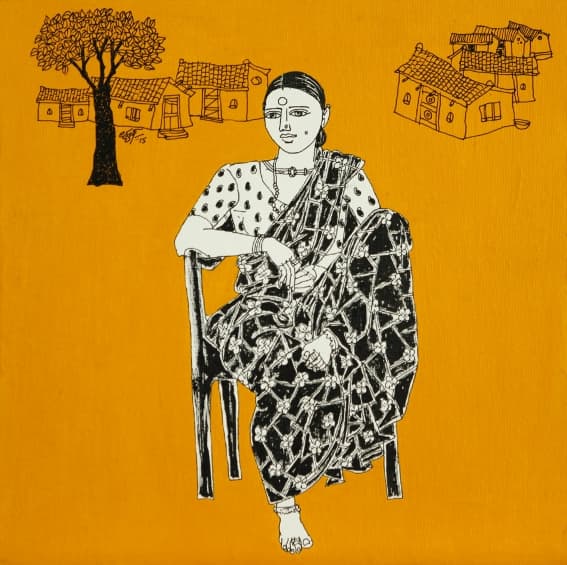
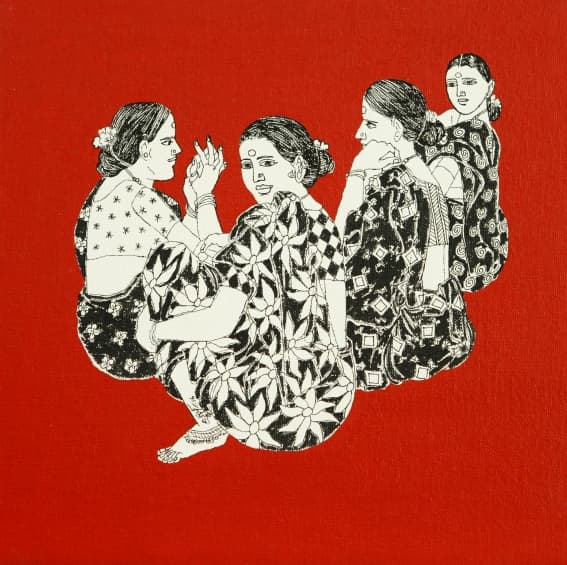
His figures, especially the women, rise from the canvas with dignity and defiance. No longer symbols of poverty or silence, they become matriarchs of change - stoic, beautiful, unbending. Aelay’s recurring muse is Poolamma, the ‘mother of flowers’, a central figure in Dalit festivals, who becomes in his hands both a symbol of divinity and a bearer of lived resilience.
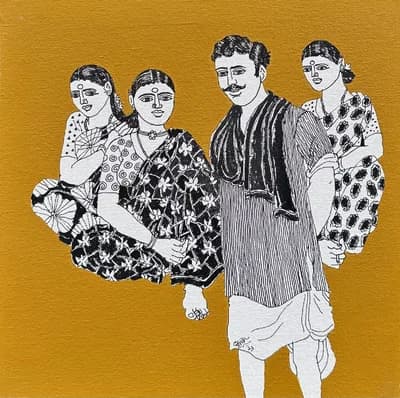
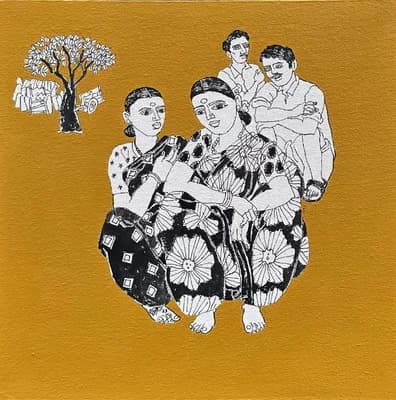
He draws from traditional patterns, weaving motifs and textile imprints into his compositions, not as aesthetic embellishments but as mnemonic devices—threads connecting the viewer to the weavers, labourers, and women who hold Telangana’s cultural identity together. The garments, though replications of real fabrics, pulse with memory and meaning, offering an insider’s gaze into the aesthetics of a marginalised yet deeply vibrant community.
Aelay’s art is deeply radical in its quietude, the women simply exist with grace and gravitas, reclaiming space with every glance and every gesture.
His figures, especially the women, rise from the canvas with dignity and defiance. No longer symbols of poverty or silence, they become matriarchs of change - stoic, beautiful, unbending. Aelay’s recurring muse is Poolamma, the ‘mother of flowers’, a central figure in Dalit festivals, who becomes in his hands both a symbol of divinity and a bearer of lived resilience.
He draws from traditional patterns, weaving motifs and textile imprints into his compositions, not as aesthetic embellishments but as mnemonic devices—threads connecting the viewer to the weavers, labourers, and women who hold Telangana’s cultural identity together. The garments, though replications of real fabrics, pulse with memory and meaning, offering an insider’s gaze into the aesthetics of a marginalised yet deeply vibrant community.
Aelay’s art is deeply radical in its quietude, the women simply exist with grace and gravitas, reclaiming space with every glance and every gesture.















Mask1_24inchX24inch_AcryliconCanvas.jpg&w=750&q=75)





.jpeg&w=750&q=75)