
Hello! We’re refreshing our website as you browse. If something feels off, just reach us at +91-8088313131 or experience@artflute.com.

Reach out to us on +91-8088-313131 or experience@artflute.com if you face any issues.

Manu ParekhManu Parekh

Manu Parekh

Art is not just an expression; it is an experience. It is the connection between the seen and the unseen.

Manu Parekh

Manu Parekh

Contemporary Artist

Separator

About Artist

Manu Parekh, a renowned artist in India, was born in 1939 and grew up in a Gujarati household in Ahmedabad. He pursued his diploma in drawing and painting from the prestigious Sir J.J. School of Art. In his early career, Parekh explored different art forms such as theatre, where he worked as a stage designer and actor, and also served as a design consultant for the Handicraft and Handloom Export C...
Manu Parekh, a renowned artist in India, was born in 1939 and grew up in a Gujarati household in Ahmedabad. He pursued his diploma in drawing and painting from the prestigious Sir J.J. School of Art. In his early career, Parekh explored different art forms such as theatre, where he worked as a stage designer and actor, and also served as a design consultant for the Handicraft and Handloom Export Corporation of India, allowing him to interact and work with craftspeople.

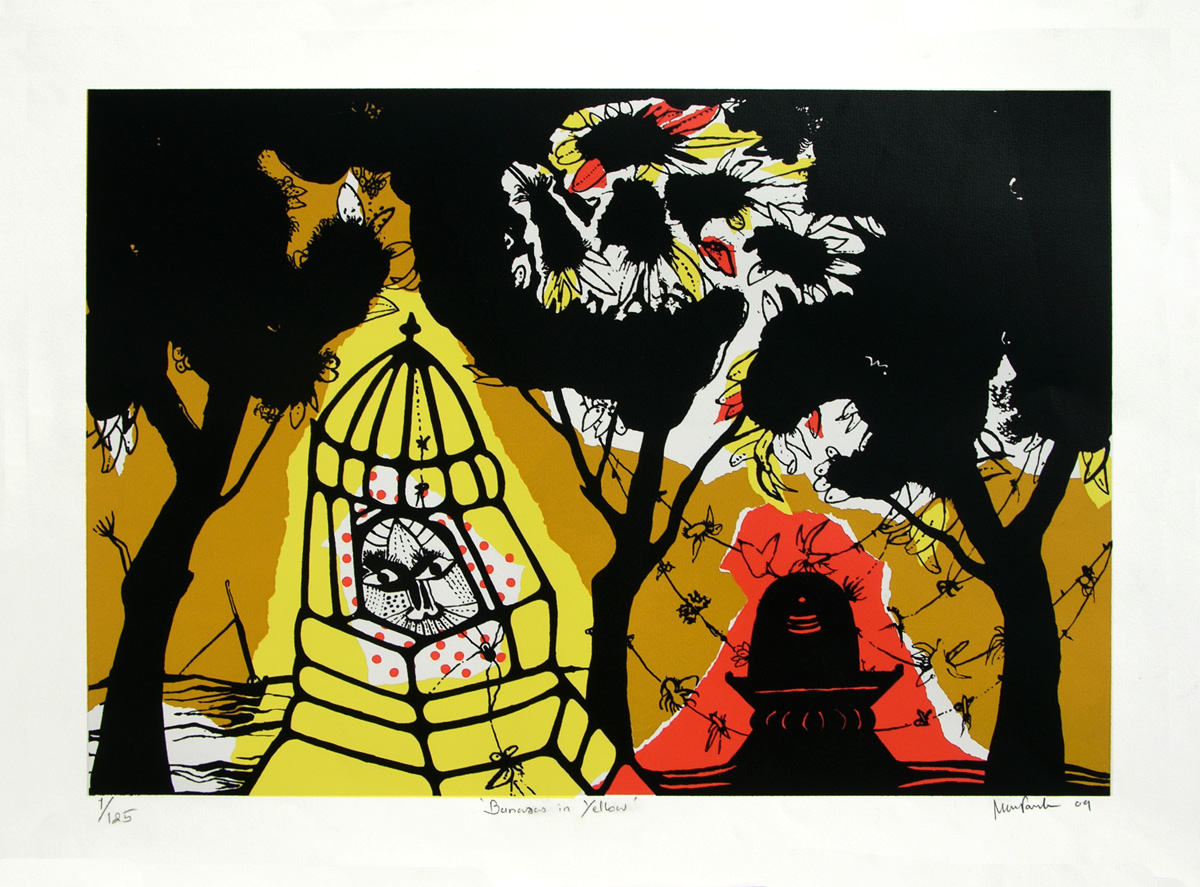
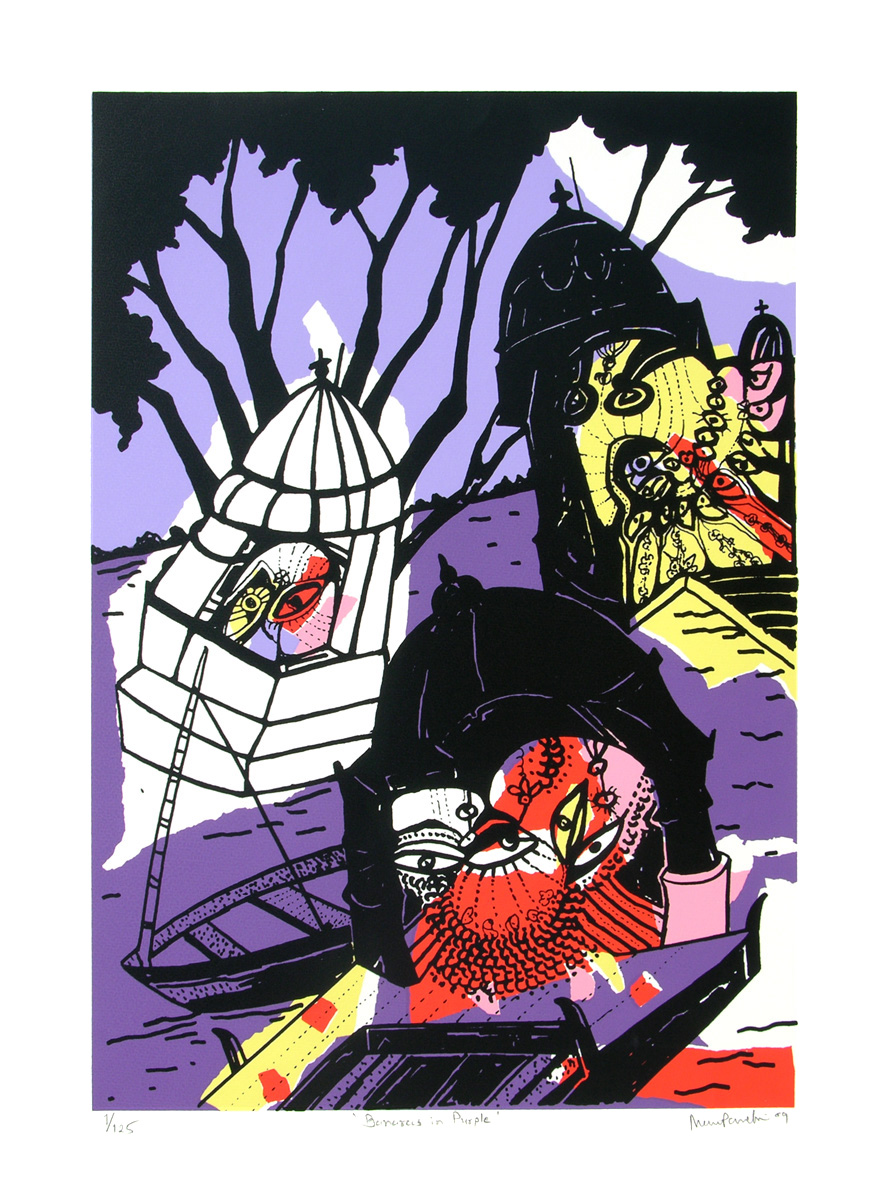
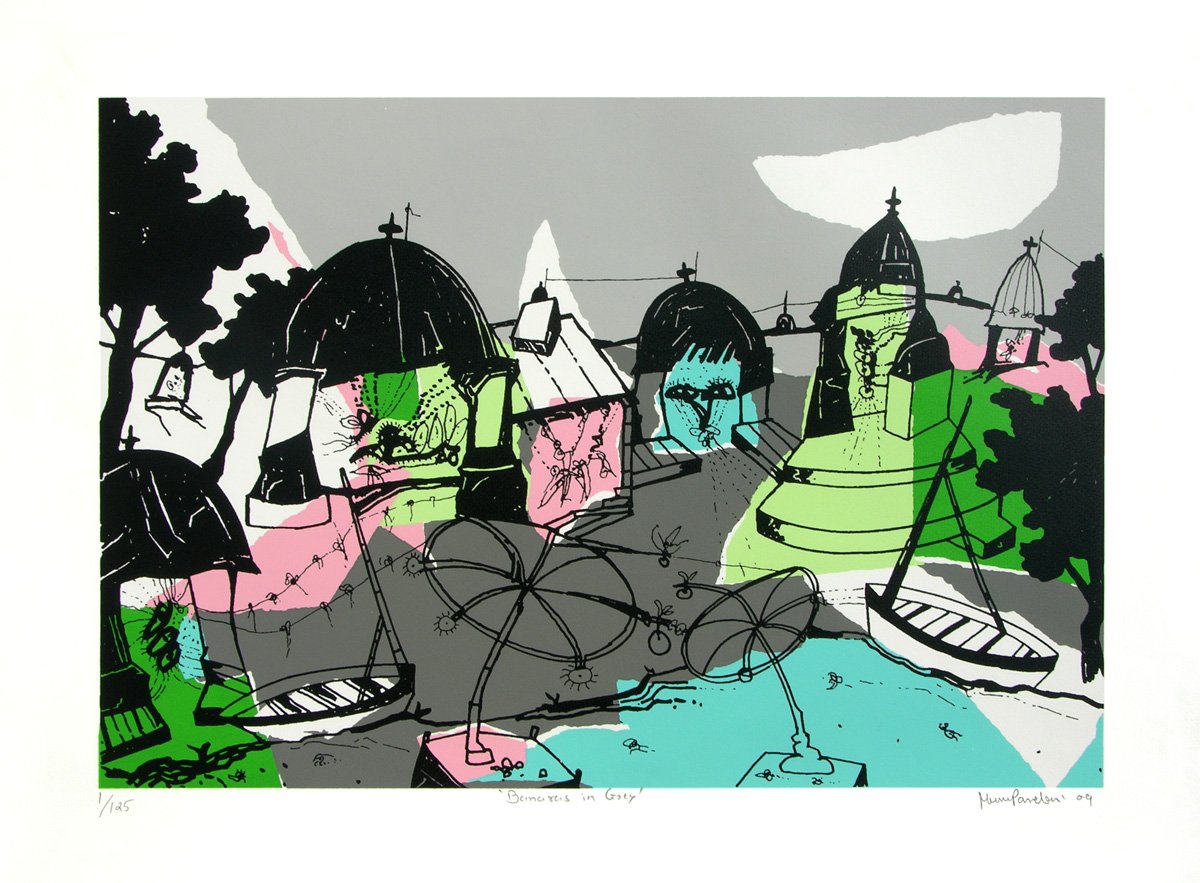
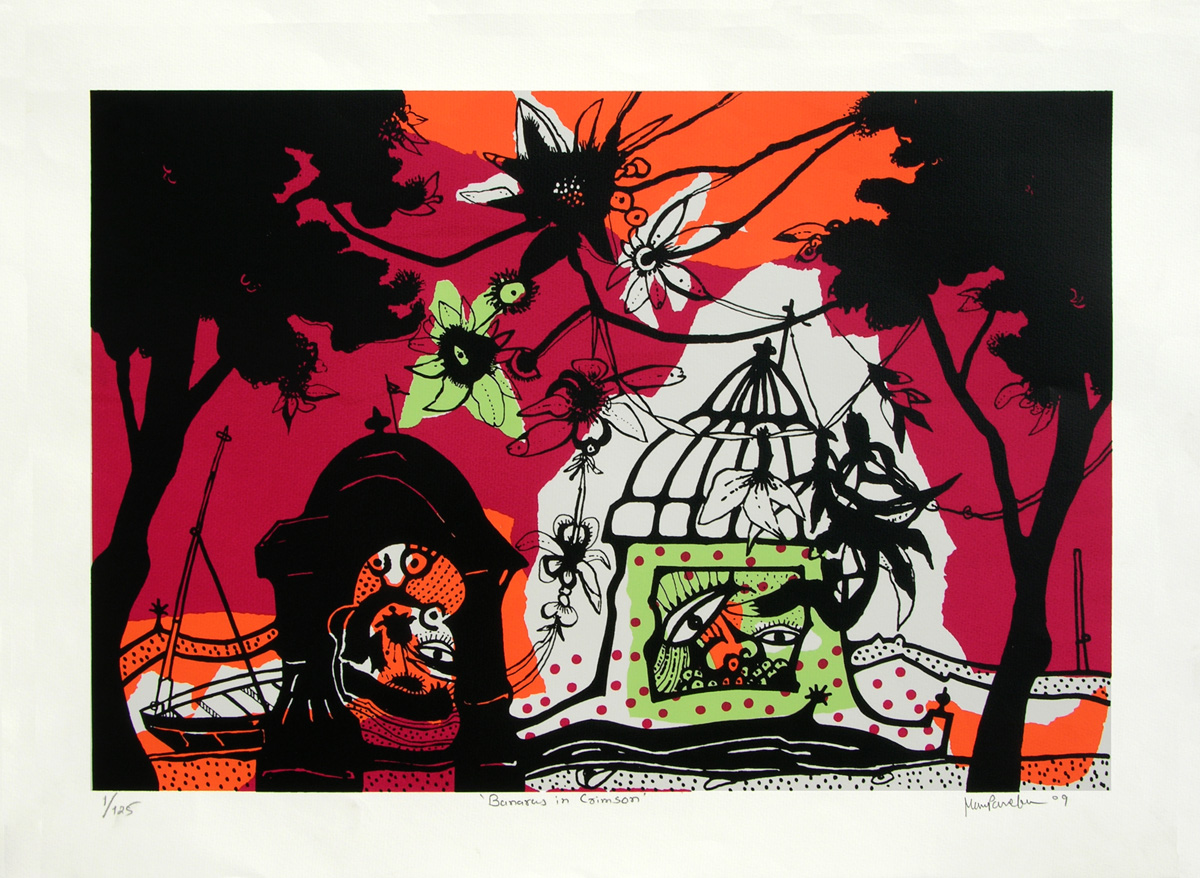
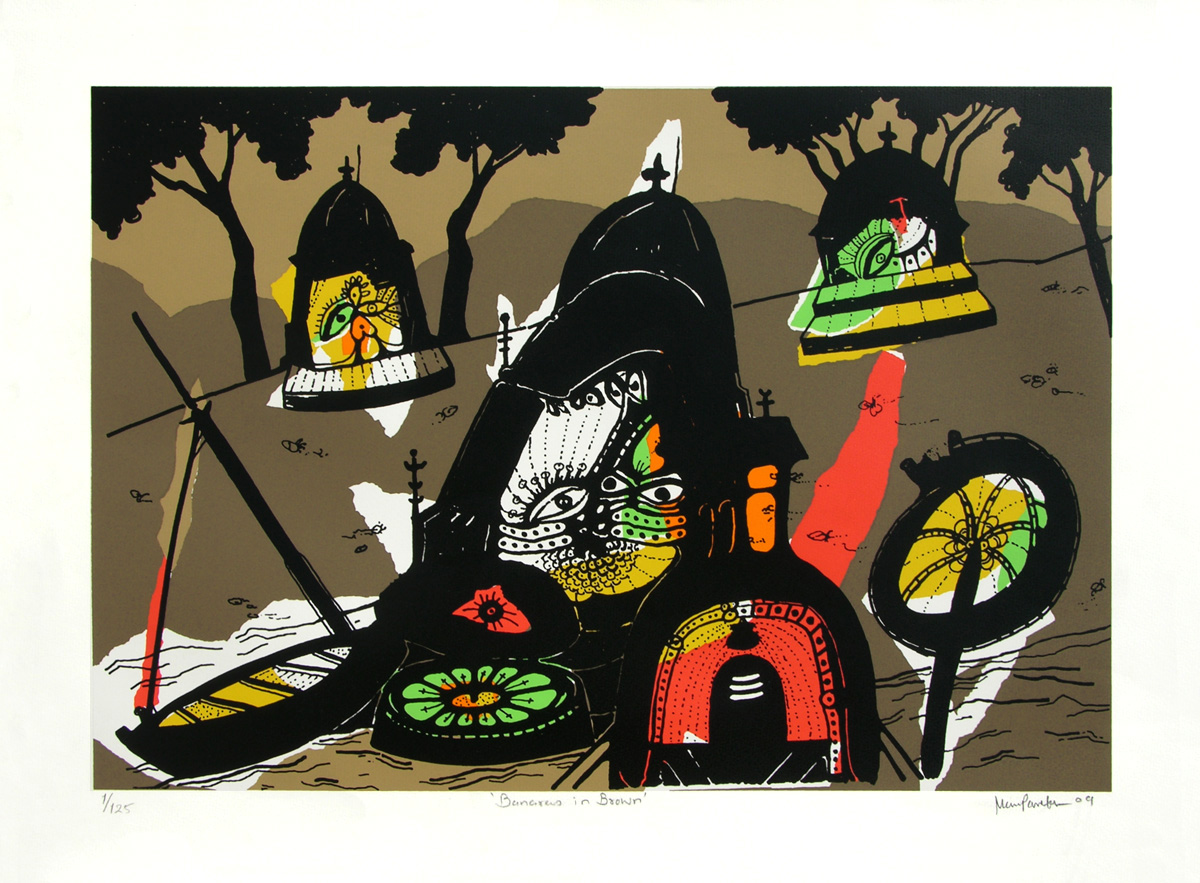
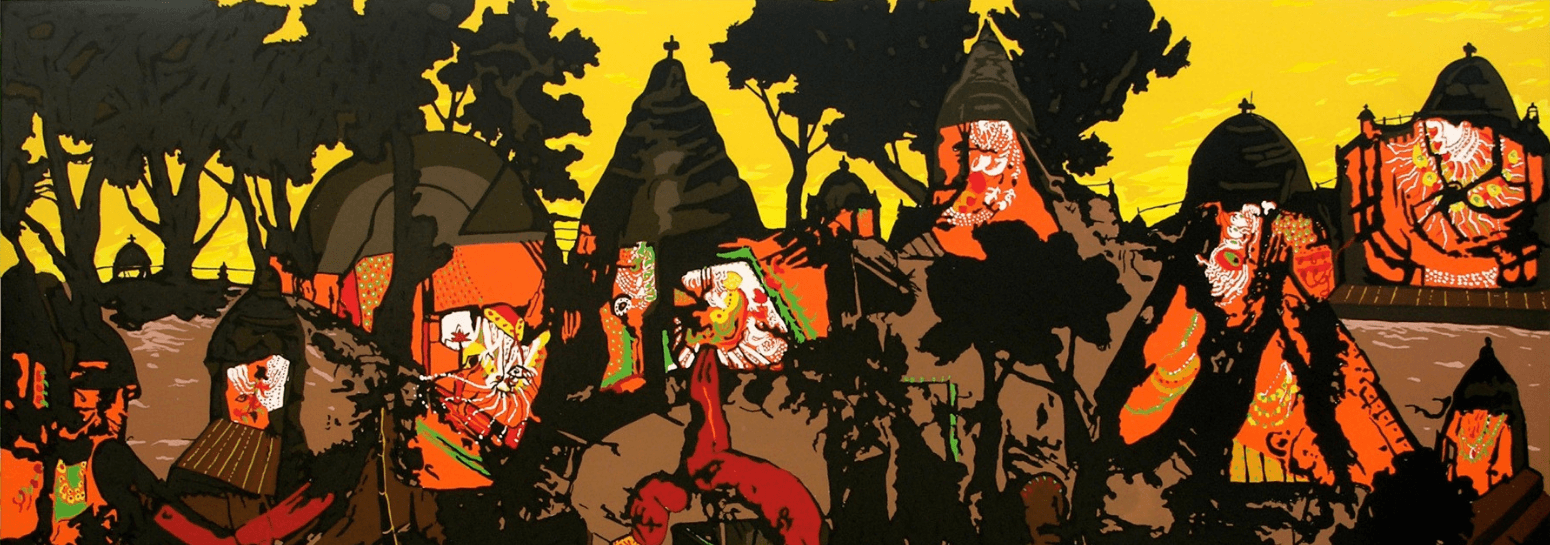
Moving to Calcutta opened up new avenues for Parekh as he drew inspiration from the works of Rabindranath Tagore and Ramkinkar Baij. Banaras, the holy city, also played a significant role in his artistic journey, and the Ghats of Banaras series is one of his notable works, which showcases the city's crowded landscapes and ever-changing skies. His paintings celebrate the dynamic relationship between man and nature, capturing their energy through vivid colors and bold brushwork. Parekh's works reflect his surroundings, displaying his vernacular language and culture, strongly influenced by his environment.

Manu Parekh's wife, Madhvi, is also an established artist with a unique style, and the husband-wife duo was invited to create artworks for the Paris Haute Couture Week as part of a collaboration between House of Dior (France) and the Chanakya School of Craft (India). The artworks were then converted into large-sized embroidered pieces and served as a backdrop for the fashion walk. The installation features 22 tapestries that were embroidered over a period of three months by over 320 master artisans.

Dior collaborated with the Asia Society India Centre to showcase the monumental textile tapestries based on the works of artist-couple Madhvi and Manu Parekh at Snowball Studios in Mumbai, which also features four original works that inspired the large panel installations.

Parekh's artistic journey began with his first solo exhibition of graphics and paintings in Ahmedabad in 1968, and he has since held numerous exhibitions, including 'Banaras – Eternity Watches Time,' presented by Saffronart and Berkeley Square Gallery, London, at Jehangir Art Gallery, Mumbai, in 2007. He has received several accolades for his contributions to the art world, such as the President of India's Silver Plaque and All India Fine Arts and Crafts Society Award, New Delhi, in 1972, the National Award from the Lalit Kala Akademi, New Delhi, in 1982, and the Padma Shree from the Government of India in 1992.
Manu Parekh currently lives and works in New Delhi. To explore more of his artworks and paintings, along with other famous serigraph artists, you can browse through our gallery of Serigraphs
Banaras in Moonlight by Manu Parekh

Banaras in Moonlight

Manu Parekh

Serigraph on Paper 300 GSM

40 (w) x 30 (h) in

$ 714

Banaras in Lemon by Manu Parekh

Banaras in Lemon

Manu Parekh

Serigraph on Paper 300 GSM

19.5 (w) x 26.5 (h) in

$ 357

Banaras in Green by Manu Parekh

Banaras in Green

Manu Parekh

Serigraph on Paper 300 GSM

19.5 (w) x 26.5 (h) in

$ 357

Evening at Banaras by Manu Parekh

Evening at Banaras

Manu Parekh

Serigraph on Paper 300 GSM

40 (w) x 30 (h) in

$ 714

Banaras in Black by Manu Parekh

Banaras in Black

Manu Parekh

Serigraph on Paper 300 GSM

19.5 (w) x 26.5 (h) in

$ 357

Banaras in Blue by Manu Parekh

Banaras in Blue

Manu Parekh

Serigraph on Paper 300 GSM

26.5 (w) x 19.5 (h) in

$ 357

Banaras in Pink by Manu Parekh

Banaras in Pink

Manu Parekh

Serigraph on Paper 300 GSM

26.5 (w) x 19.5 (h) in

$ 357

Flowers with Difference (Set of 8 works) by Manu Parekh

Flowers with Difference (Set of 8 works)

Manu Parekh

14 (w) x 20 (h) in

$ 714

Banaras in Monsoon by Manu Parekh

Banaras in Monsoon

Manu Parekh

Serigraph on Paper 300 GSM

84 (w) x 45 (h) in

$ 1,786

Banaras in Winter by Manu Parekh

Banaras in Winter

Manu Parekh

Serigraph on Paper 300 GSM

84 (w) x 45 (h) in

$ 1,786

Banaras in Summer by Manu Parekh

Banaras in Summer

Manu Parekh

Serigraph on Paper 300 GSM

84 (w) x 45 (h) in

$ 1,786

  • Previous
  • 1(current)
  • Next

Famous Paintings and Artwork Series of Manu Parekh

The journey of artist Manu Parekh spans expressive modernism, theatre-informed composition, and deep spiritual engagement with place and memory. He has built a body of work that moves fluidly between lived ritual, mythic imagination, and personal symbolism. His most significant paintings are often grouped into distinct yet interconnected series.

1. Banaras Series

Amongst the most recogniseable of Manu Parekh's paintings, the Banaras series focuses on the ghats, temples, and river life of Varanasi. These works - often described as the definitive painting of Manu Parekh, use charged colour fields and emphatic brushwork to convey the density of ritual and movement along the riverfront. For collectors drawn to sacred urban landscapes, these works align closely with the tradition of Banaras ghat painting within Indian modern art.

2. Bhil Tribal Series

In contrast to the urban intensity of Banaras, this body of Manu Parekh's art celebrates Bhil tribal life through festival scenes and communal rituals. Works such as Jamburani and the Tobacco Plant (1993), On the Way to Baneshwar Mela (1998), and Summer Wedding (2007) demonstrate how artist Manu Parekh's paintings translate folk rhythm and oral tradition into richly patterned pictorial space.

3. Last Supper Interpretation

This contemporary reimagining of the biblical Last Supper stands apart within any collector's Manu Parekh collection. Here, narrative is fractured through abstraction, colour, and theatrical staging-reflecting the artist's long engagement with drama and scenography.

4. Self-Portraits and the Mahua Tree

Highly personal works such as Self-Portrait with Umbilical Mahua Tree (1994) merge autobiography with symbolic form. The recurring Mahua tree functions as a visual anchor across several works, linking identity, land, and life cycles.

5. Early Murals and Stage Design

Before establishing himself fully as an artist, he trained and worked extensively in stage and mural design. This influence remains visible in the scale, frontal composition, and dramatic spatial tension across much of his later works.

Price of Manu Parekh Paintings

1. Small works on paper (sketches and watercolours):

Typically sell between up to ₹75,000 at auctions, with several examples remaining under ₹1 lakh in recent Saffronart sales.

2. Mid-size canvases:

Usually realise ₹2–6 lakhs, with works from the Banaras series consistently achieving the upper end; a Banaras canvas sold for ₹6.6 lakhs in 2025.

3. Large canvases/masterworks (48″ and above)

Commonly sell in the ₹20–40 lakh range, particularly for Banaras-themed works; exceptional pieces exceed this, including a landmark Banaras painting that sold for ₹1.6 crore at Sotheby's (2016).

4. Limited edition serigraphs

Generally priced between ₹11,500 and ₹1.5 lakhs, depending on size, edition number, and series.

Recent auction results from Saffronart, AstaGuru, and Sotheby's position Manu Parekh as a blue-chip Indian modernist, with sustained demand and the strongest appreciation seen in large Banaras works.

Collectors exploring Indian art paintings across modern and contemporary periods often encounter Manu Parekh's work alongside other seminal figures.

How to Choose the Right Manu Parekh Artwork

1. Theme and Intent

Select Banaras works for spiritually charged cityscapes; Bhil paintings for community-centric celebration; and narrative reinterpretations like the Last Supper for dramatic visual focus.

2. Personal Resonance

Collectors with a connection to Varanasi often gravitate toward large ghats and temple scenes, while those drawn to folk traditions find depth in the Bhil series.

3. Visual Density and Symbolism

Many Manu Parekh paintings reward prolonged viewing through layered motifs, fragmented narratives, and recurring symbols such as the Mahua tree.

4. Budget Consideration

Entry-level collectors may begin with works on paper, while mid-size canvases offer a strong balance of scale, colour, and complexity.

Authenticity & Certification Process

Every Manu Parekh artwork offered on ArtFlute goes through a careful verification process so collectors know they're acquiring genuine pieces, not copies or reprints.

1) Hand-Signed Details

Most Husain serigraphs include his pencil signature along the lower margin - a hallmark many enthusiasts look for when collecting artist mf hussain paintings in print form.

2) Edition Markings

Authentic editions carry hand-written numbers such as "82/150." These markings confirm the legitimacy and scarcity of the work, a key factor when evaluating Manu Parekh's serigraphs.

3) Certificate of Authenticity

Each serigraph comes with a COA listing the title, year, medium, edition size, and provenance, giving collectors complete clarity before they buy mf hussain painting.

4) What to Avoid

Printed signatures, unclear paperwork, poor-quality impressions, or prices far below market norms are immediate red flags when browsing mf hussain paintings for sale.

FAQs About Manu Parekh Paintings

1. Who is Manu Parekh and what is he known for?

Manu Parekh is a leading Indian modernist painter (born 1939), widely known for his extensive series on Varanasi/Banaras, especially the ghats and temple-lined riverfront. His practice is also shaped by early work in theatre and design, which carries into the dramatic staging of many later compositions.

2. What are Manu Parekh's major themes and subjects?

Manu Parekh's major themes move between the ritual life and architecture of Banaras/Varanasi, and broader meditations on faith, ritual, and abstraction. Across key surveys, his subjects also include heads/figures, animals, still life, and cycles of nature, alongside later bodies of work such as flower-focused works - all shaped by a theatrical sense of structure and intensity.

3. Are Manu Parekh's paintings suitable for modern interiors?

Yes his paintings & serigraphs work well in modern spaces because they often use bold colour fields, strong structure, and a graphic, theatrical sense of composition. Practical fit depends on your room's palette and scale and his Banaras works can read as a high-energy focal point.

WhatsApp