History And Origin of Sculpture Art
Most early sculptures were not made to be viewed in isolation. They were part of lived environments like temples, courtyards and public spaces, where meaning came from context as much as form.
In India, Indian sculpture developed closely alongside architecture. Stone carvings, bronze icons, wooden forms were integrated into daily ritual and movement. They were not separate objects, but part of a larger system of belief and use.
Over time, sculpture art began to move away from these fixed contexts. It entered galleries, private collections, and eventually homes. With that shift, interpretation became more open. What we now call modern sculpture art often removes narrative certainty altogether, allowing material, scale, and placement to do more of the work. Even so, the underlying impulse to give something intangible a physical presence has not changed much.
Types of Sculptures Available Online
If you’re exploring sculpture online or planning to buy sculptures online, the categories like material, style and form can help. But in practice, most decisions come down to how the piece will sit within a space.
1. Sculptures Based on Materials:
Stone Sculptures
Stone carries a certain permanence. Once carved, it resists change and is part of why these sculptures tend to ground a space so effectively. They don’t move visually; they hold.
Clay and Terracotta Sculptures
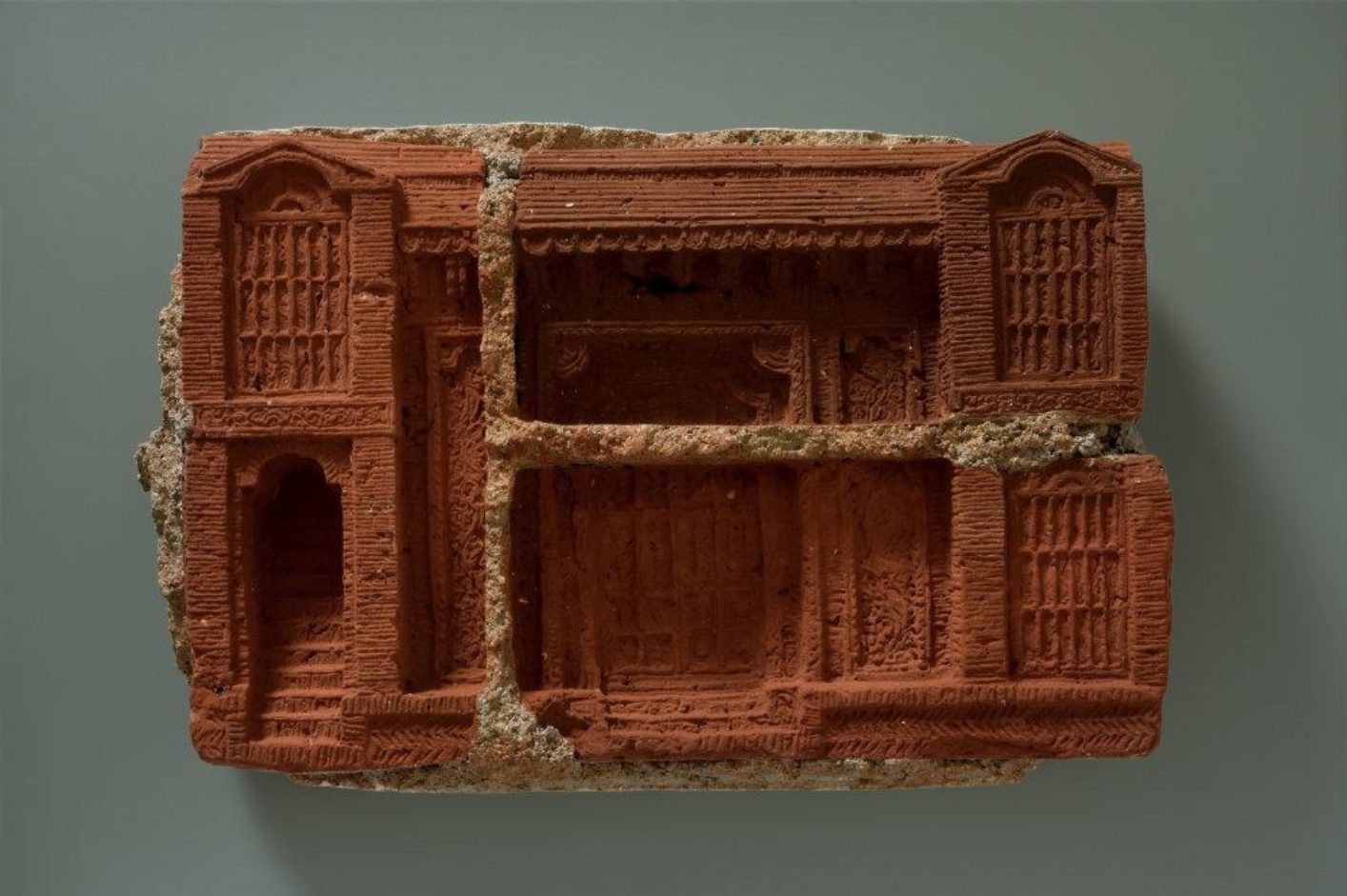
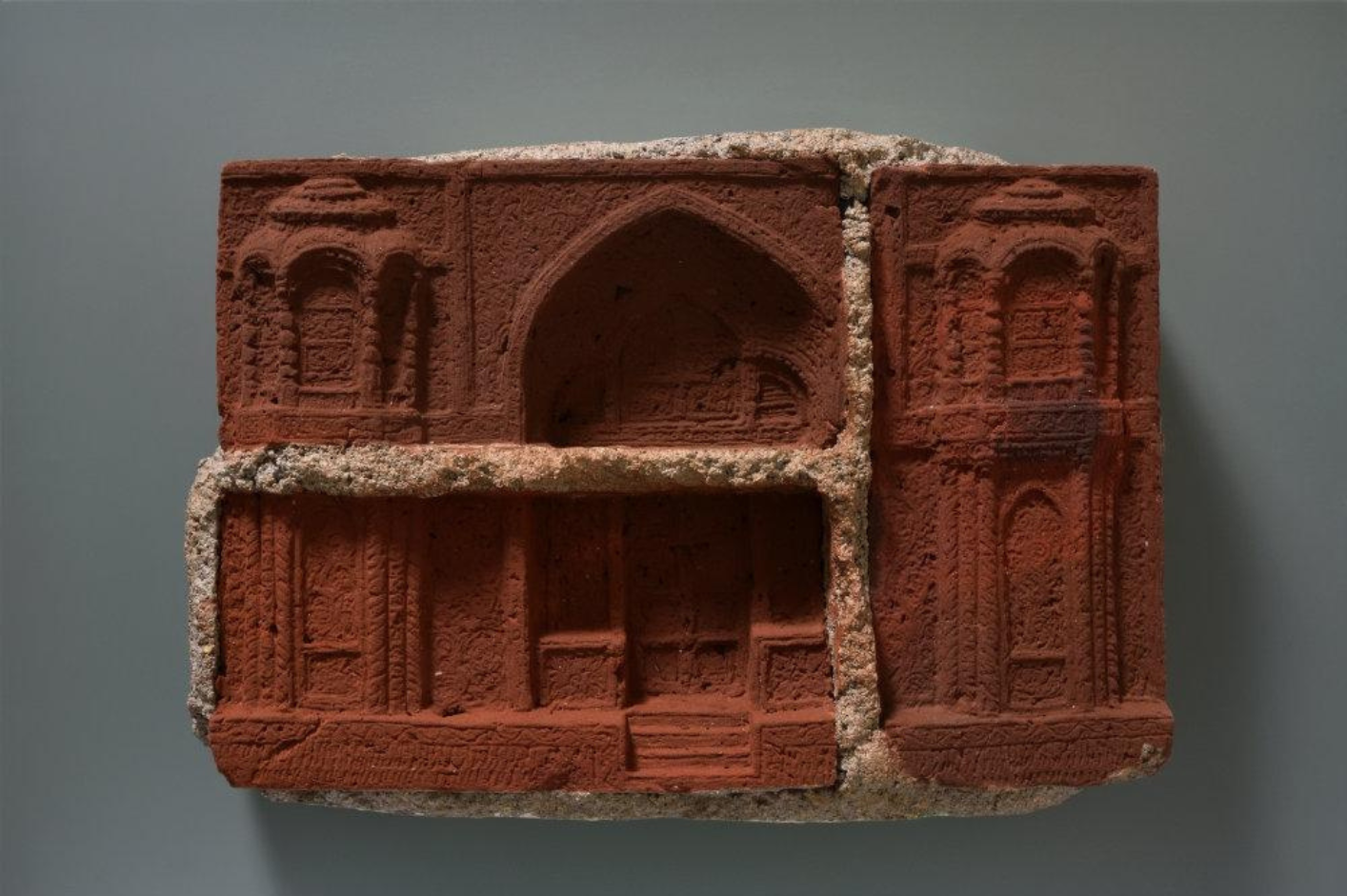
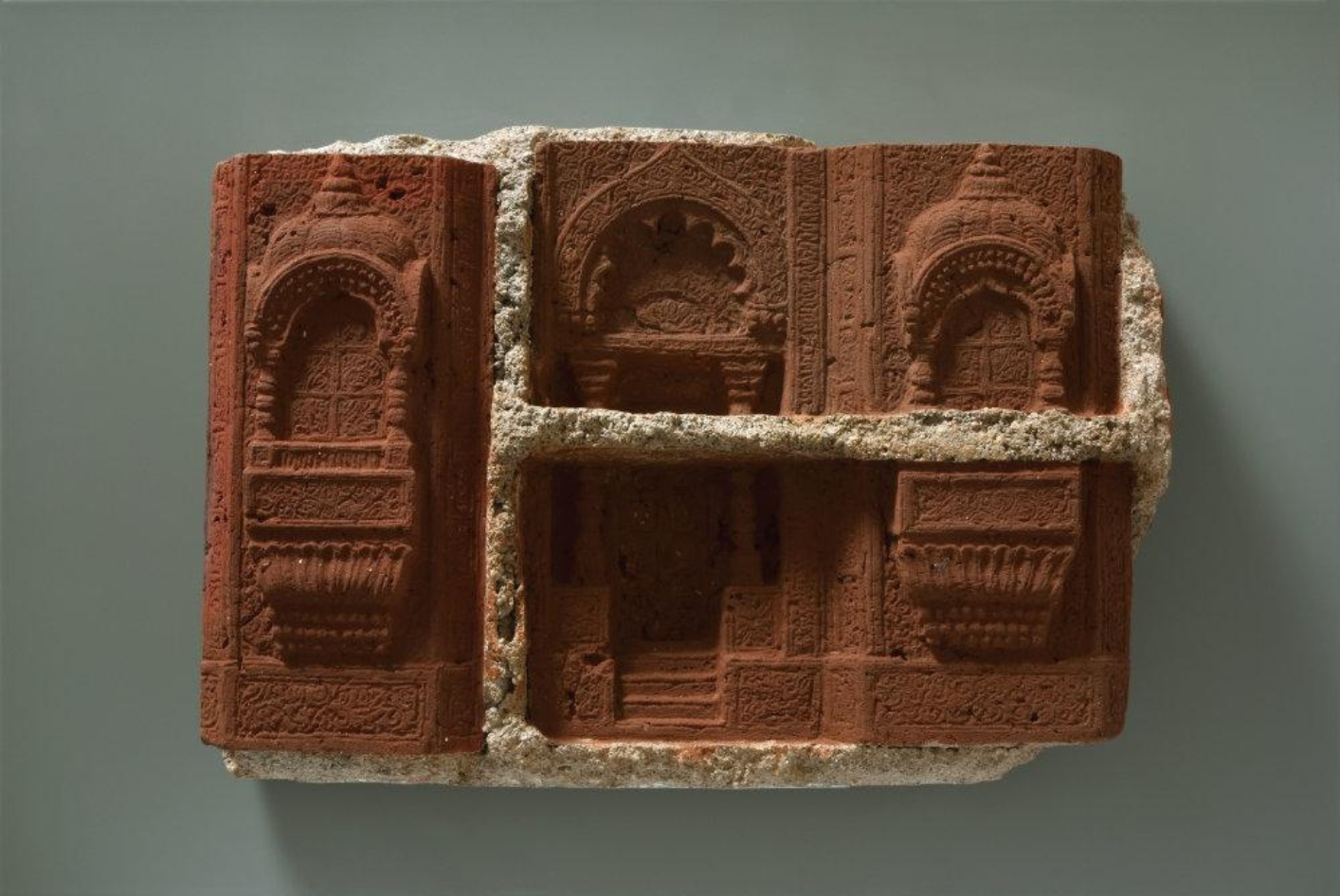
More immediate, more tactile, clay & terracotta sculptural artwork pieces often retain marks of the process like finger impressions, uneven surfaces. They feel closer to the act of making.
Wooden Sculptures
Wood behaves differently. It ages, subtly shifts, sometimes deepens in tone. Over time, wooden sculptures don’t remain the same, which, for some collectors, becomes part of their appeal.
Bronze and Metal Sculptures
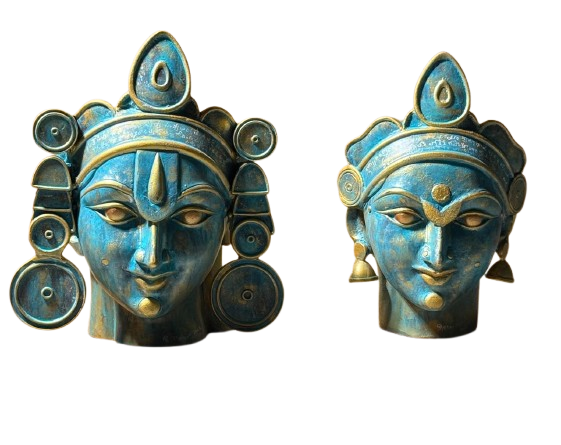
For those looking to buy original sculpture, metal often becomes a starting point. Bronze, especially within Indian sculpture art, carries both durability and detail and is capable of holding complex forms over long periods.
Acrylic, Fiberglass, and Mixed Media Sculptures
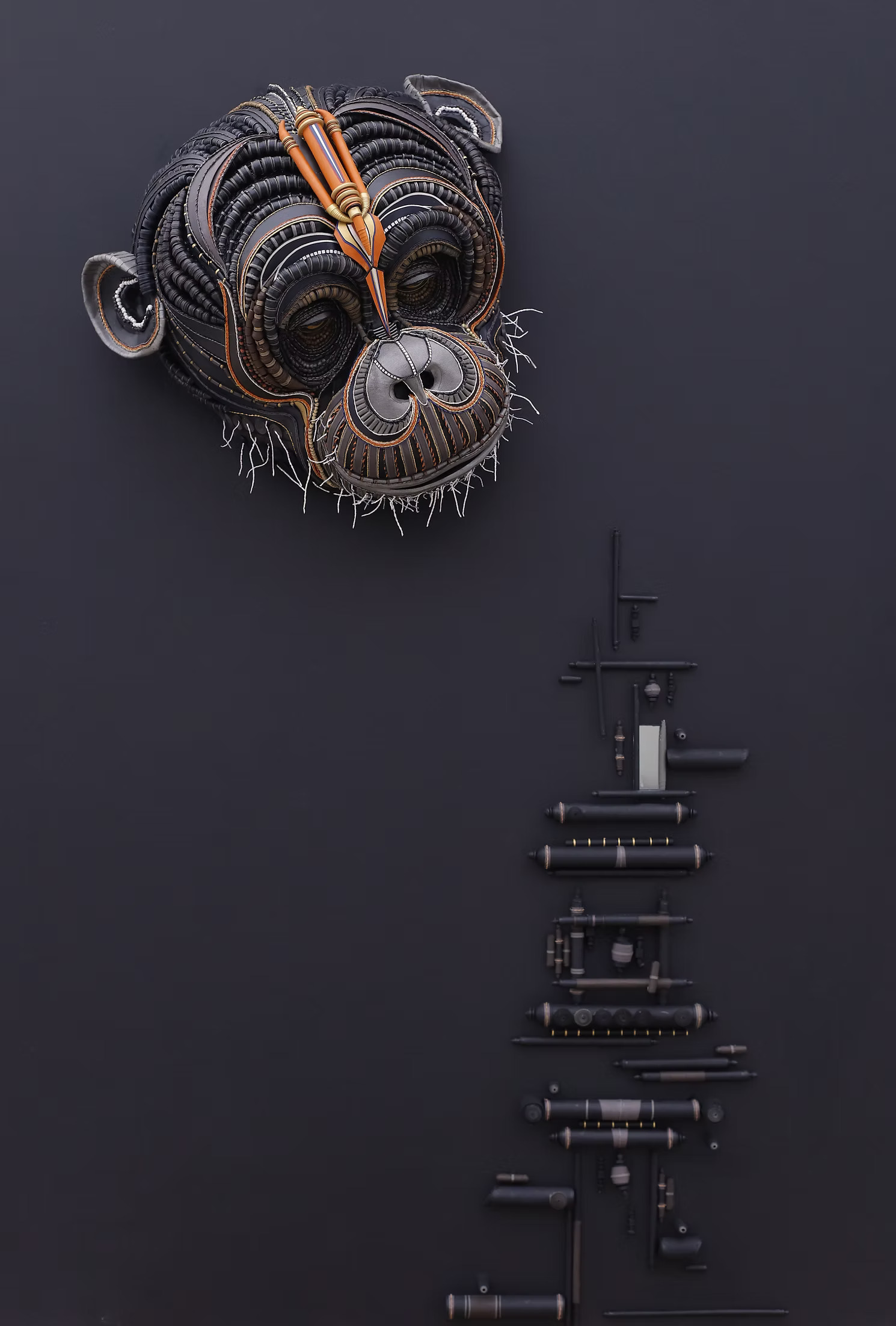
These belong more clearly to modern sculpture art. Lighter, sometimes unexpected, occasionally harder to place, but when they work, they introduce contrast that traditional materials don’t.
2. Sculptures Based on Style
Some collectors are drawn to abstract sculptures because they remain open. They don’t resolve too quickly, and that allows them to adapt across different interiors.
Others prefer figurative work. A human form, an animal, something recognizable, these sculptures tend to create a more immediate connection.
With modern sculpture art, material often becomes part of the idea itself, and why it is made that way.
Minimal works take a different approach altogether. They don’t try to dominate. Instead, they shift how the surrounding space is perceived and are often chosen as art sculptures for home in quieter environments.
3. Sculptures Based on Form
Kinetic Sculptures
These introduce movement from subtle to sometimes more pronounced. They respond to air, light, or interaction, making them better suited to spaces where change is constant.
Environmental and Site-Specific Sculptures
Not designed to be moved easily, these works respond to architecture or landscape, often losing meaning if removed from their intended setting.
Free-Standing Sculptures
The most adaptable format. These sculptures can be placed in living rooms, entryways, or outdoor areas and viewed from multiple angles.
Relief Sculptures
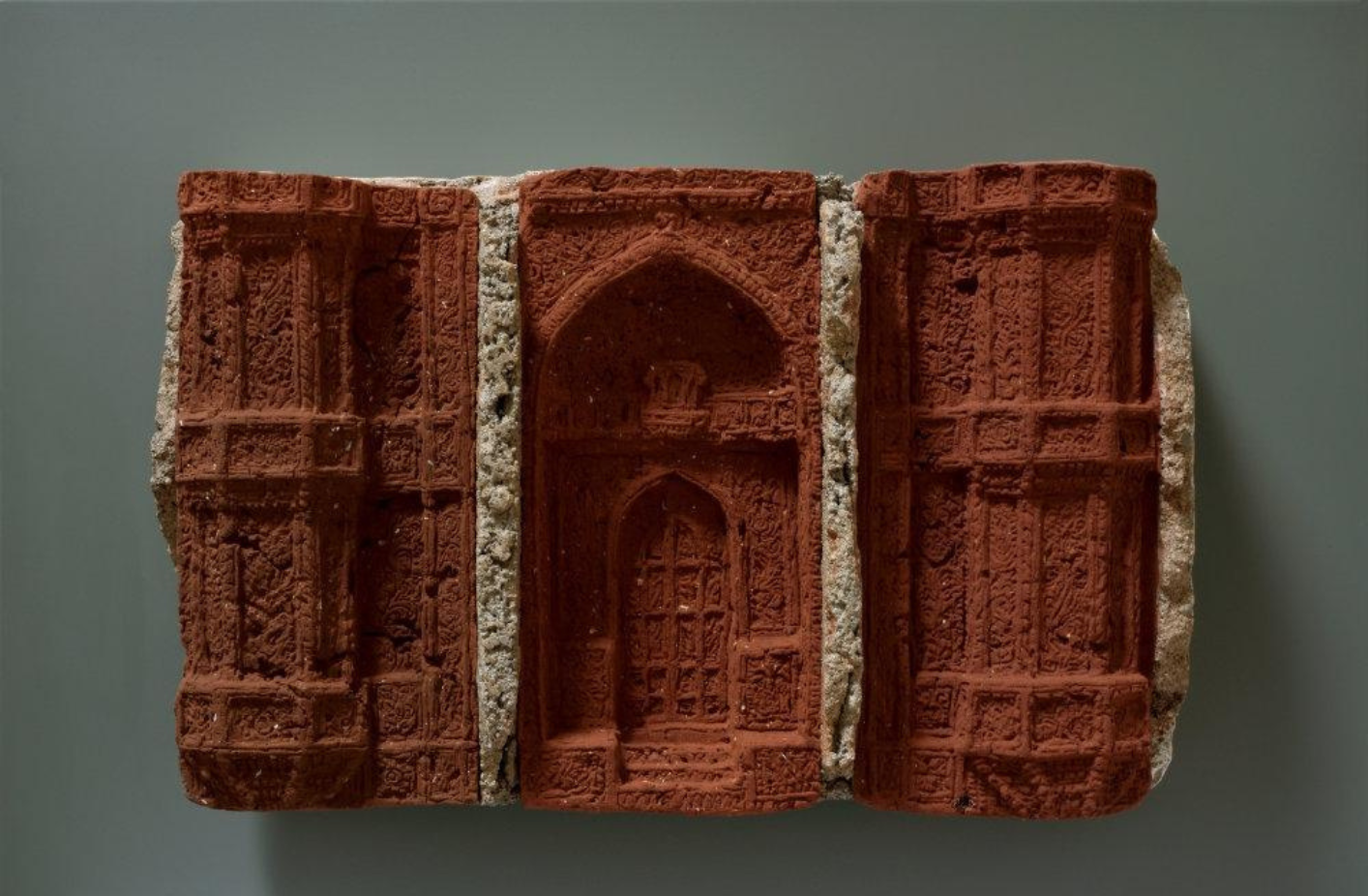
Somewhere between wall art and objects, relief sculptures work well when floor space is limited, but depth is still needed.
4. Sculptures by Subject
Sculptures are often chosen not just for how they are made, but for what they carry.
Spiritual & Religious Forms
These tend to introduce stillness. Sometimes ritual and at other times just a quiet focal point.
Human & Figurative Expressions
Familiar, but not always simple, these works often hold attention longer because they carry a narrative.
Animal & Wildlife Representations
Less about realism, more about energy and feature movement, strength, instinct.
Mythological Narratives
These bring layered meanings into contemporary spaces, especially when interpreted through modern forms.
Nature-Inspired Motifs
Used often to soften interiors that feel too structured or rigid.
For collectors looking to order sculpture online, the subject can sometimes be the most immediate way to narrow choices.
How to Decorate Spaces Using Sculpture Art?
There isn’t a fixed formula for placing sculpture art, but certain patterns tend to work more consistently.
1. Choosing the Right Sculpture
When you buy sculptures, the instinct is often to match them to the room. That works to a point but it can be more useful to ask what the space lacks. Is it stillness, movement or contrast?. Different sculptures solve different spatial gaps.
2. Placement and Lighting
Most sculptures benefit from a slight pause around them, giving enough room to be encountered properly.
Light plays a larger role than expected. A small shift can completely change how a sculptural artwork is read, especially in textured or reflective materials.
3. Layer with Other Art Forms
Pairing sculptures with paintings or textiles can work well, but usually when one remains dominant.
Too many competing elements tend to flatten the experience.
4. Use Sculptures as Focal Points
Sometimes one piece is enough.
Large sculptures anchor a space. Smaller ones draw you closer. The effect depends less on size alone and more on placement.
5. Create Symmetry or Asymmetry
Balance doesn’t always mean symmetry.
Some spaces benefit from alignment. Others feel more natural when things are slightly off.
Artists Who Shape the Soul of Our Sculpture Collection
Pioneers of Modern Indian Sculpture
Artists like Ramkinkar Baij and D.P. Roy Choudhury shifted Indian sculpture art away from strict tradition. Their work introduced new materials, new forms that were less rigid, more exploratory.
That shift continues to influence how sculpture art is understood today.
1. Ramkinkar Baij
Ramkinkar Baij is often seen as one of the earliest artists to break sculpture away from academic rigidity in India. Working with unconventional materials like cement and laterite, his forms felt raw, immediate, and closely tied to lived experience. His work carries movement, labour, and environment within it.
2. Prodosh Dasgupta
Prodosh Dasgupta introduced a quieter, more introspective direction to modern Indian sculpture art. His forms are often reduced, simplified, and attentive to inner structure rather than surface detail. There is a sense of restraint in his work that allows the viewer to engage slowly, rather than immediately.
3. D. P. Roy Choudhury
D.P. Roy Choudhury worked at the intersection of realism and emerging modernist thought. His sculptures often retain figurative clarity, but with a shift in emotional weight and gesture. They move away from idealisation, towards something more grounded and human.
4. Amar Nath Sehgal
Amar Nath Sehgal’s work is marked by fluidity and emotional depth. His figures often appear elongated, almost in motion, as though shaped by memory rather than anatomy. There is a lyrical quality to his sculpture art, where form becomes a way of holding feeling rather than describing it.
5. Mrinalini Mukherjee
Mrinalini Mukherjee redefined material within Indian sculpture art, working extensively with fibre and organic forms. Her works often feel grown rather than constructed, carrying a tactile, almost bodily presence. They blur the line between craft and contemporary sculpture in a way that remains influential.
Contemporary Masters
In modern sculpture art, artists like Anish Kapoor, Subodh Gupta, and Bharti Kher extend material into concept. Reflection, scale, repetition become part of the experience, not just the object itself.
Their work changes how sculptures occupy space, and how viewers move around them.
1. Anish Kapoor
Anish Kapoor extends sculpture into experience. His work often plays with void, reflection, and scale, making the viewer part of the artwork itself. Materials like polished steel or pigment are used to alter perception, space, and even orientation.
2. Subodh Gupta
Subodh Gupta’s work draws from everyday Indian materials like utensils, vessels, industrial objects and repositions them at scale. What appears familiar becomes monumental, often reflecting migration, labour, and shifting identities. His sculptures tend to expand outward, occupying space with both visual density and cultural weight.
3. Bharti Kher
Bharti Kher works with layered surfaces and repeated elements, most notably the bindi. In her sculptural practice, form is built through accumulation, where each unit contributes to a larger psychological and cultural field. The result often feels both intimate and expansive, drawing attention over time rather than at first glance.
4. Ravinder Reddy
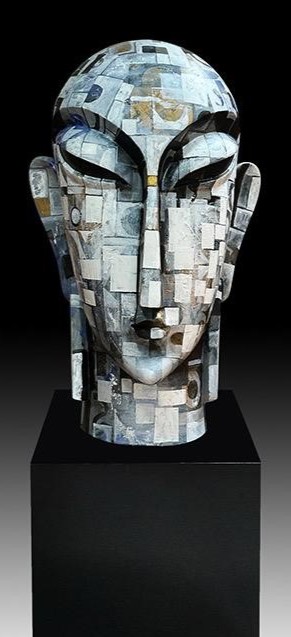
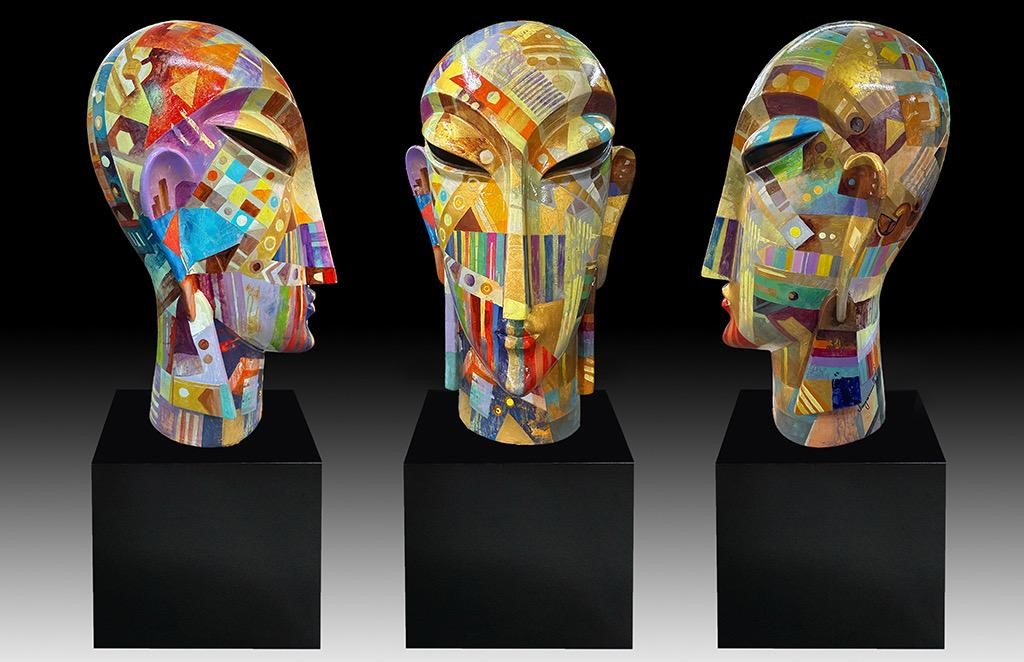
Ravinder Reddy is known for his large-scale heads and figures that balance folk, classical, and contemporary influences. His works are direct in their visual language, bold colour, frontal presence, and a strong sense of form, yet they hold layered references to identity, femininity, and representation.
5. Jitish Kallat
Jitish Kallat moves between sculpture and installation, often using material as a way to map time, memory, and public life. His works frequently engage with urban experience, transforming everyday references into structures that feel both personal and collective.
6. N. N. Rimzon
N. N. Rimzon’s sculptures carry an introspective energy. His work often reflects on the individual within larger social and political contexts, using restrained forms that invite closer engagement.
7. Reena Saini Kallat
Reena Saini Kallat works across sculpture and installation, often exploring themes of borders, identity, and connection. Her materials ranging from wires to natural elements are used to construct networks and systems that mirror larger geopolitical and personal narratives.
Featured Sculptors at ArtFlute
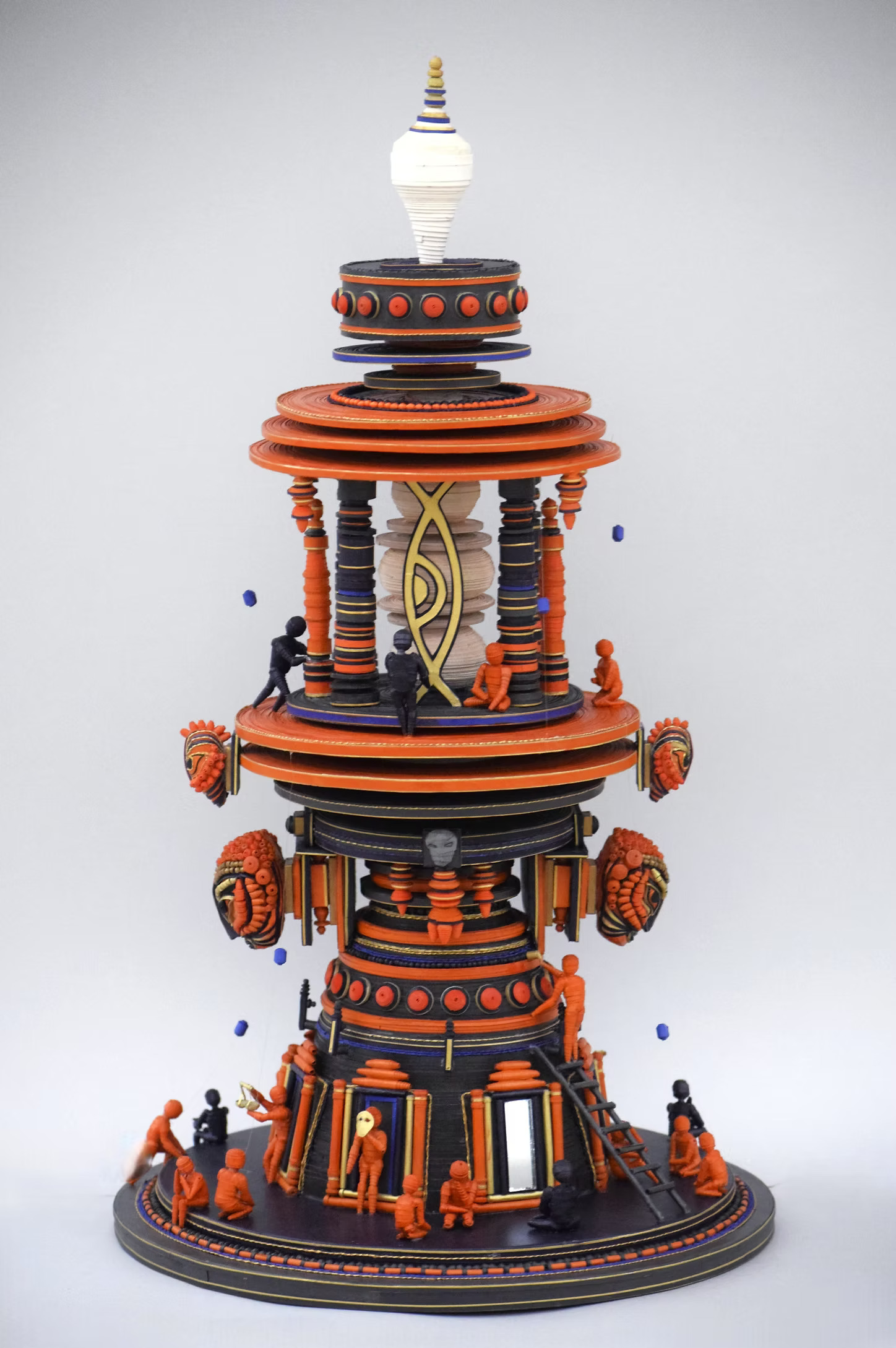
Many artists here move between painting and sculpture art, which often brings a different sensibility to their three-dimensional work.
1. Subrata Paul
Working in bronze and wood, Subrata Paul’s sculptures explore mythology through quieter, more introspective forms.
2. Dinkar Jadhav
Dinkar Jadhav’s sculptural artwork carries movement, especially in animal forms that feel both structured and expressive.
3. Jagannath Paul
Jagannath Paul’s paintings were shaped by early sculptural roots. They shape his dramatic charcoal and acrylic works exploring intimacy and duality while he continues to explore sculpture as a medium.
4. H.R. Das
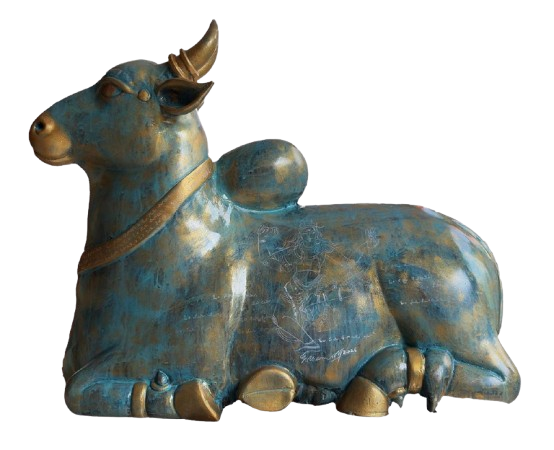
H. R. Das, renowned for monumental bulls and cows, extends this powerful language into sculpture.
5. P. Gnana
P. Gnana, a Singapore-based Indian artist, paints, sculpts, and creates conceptual installations.
6. Kandi Narsimlu
Kandi Narsimlu depicts village folk of Telangana in vivid scenes and brings this rich identity into his Indian sculptures as well.
7. Gopal Samantray
Gopal Samantray’s art is rooted in nature, wildlife, and the ecological tensions of a changing landscape. This concern extends into his sculptures, where similar forms take on a more physical presence. What feels observed on canvas becomes more immediate in three dimensions, allowing the work to be experienced through both form and space.
How to Choose the Right Sculpture Art?
1. Consider the Style of Your Space
Contemporary interiors tend to accommodate modern sculpture art more easily. Traditional spaces may align better with figurative or heritage-driven Indian sculpture art.
2. Evaluate Size and Proportion
Scale is often misjudged.
Before you buy sculptures online in india, it helps to measure not just the wall or floor, but also the viewing distance.
3. Choose Between Functional and Decorative
Some works serve a function. Others don’t.
Most art sculptures for home sit somewhere in between = present, but not always practical.
4. Set a Budget
The sculpture painting price varies significantly. Material, size, artist, all play a role.
For many, the decision comes down to how long they expect to live with the work.
Why Buy Art Sculptures from ArtFlute?
1. Curated by Experts
Not every work translates well into a domestic space. Curation helps narrow what actually fits when you shop sculptures.
2. Certificate of Authenticity
When you buy art sculptures, provenance matters. Documentation ensures the work holds value beyond placement.
3. Safe Packaging & Worldwide Delivery
If you buy sculptures online, logistics become part of the decision. Proper handling ensures the work arrives as intended.
.jpeg)