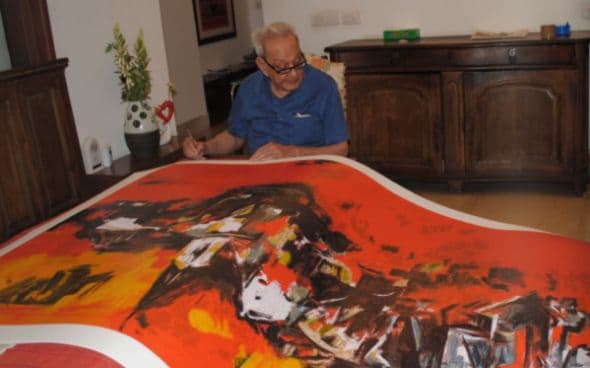

Sayed Haider Raza, a renowned 20th-century painter born in 1922 in Madhya Pradesh, India, found inspiration in his childhood memories of the dense forests and vibrant village life. As a founding member of the Progressive Artists Group, he embraced modern Indian art rooted in cultural heritage. Moving to France in 1950, he studied at École Nationale supérieure des Beaux-Arts, eventually settling in...
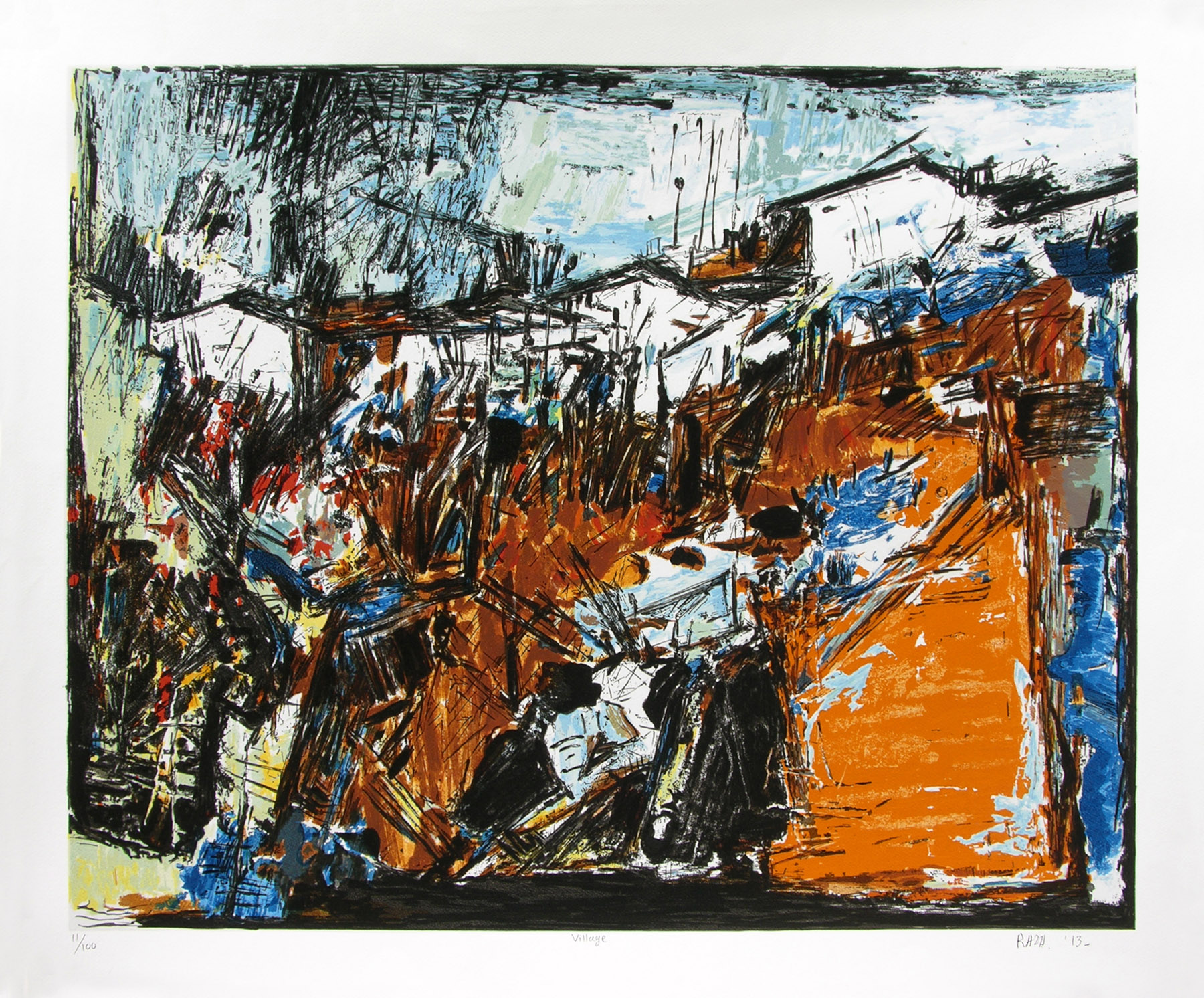
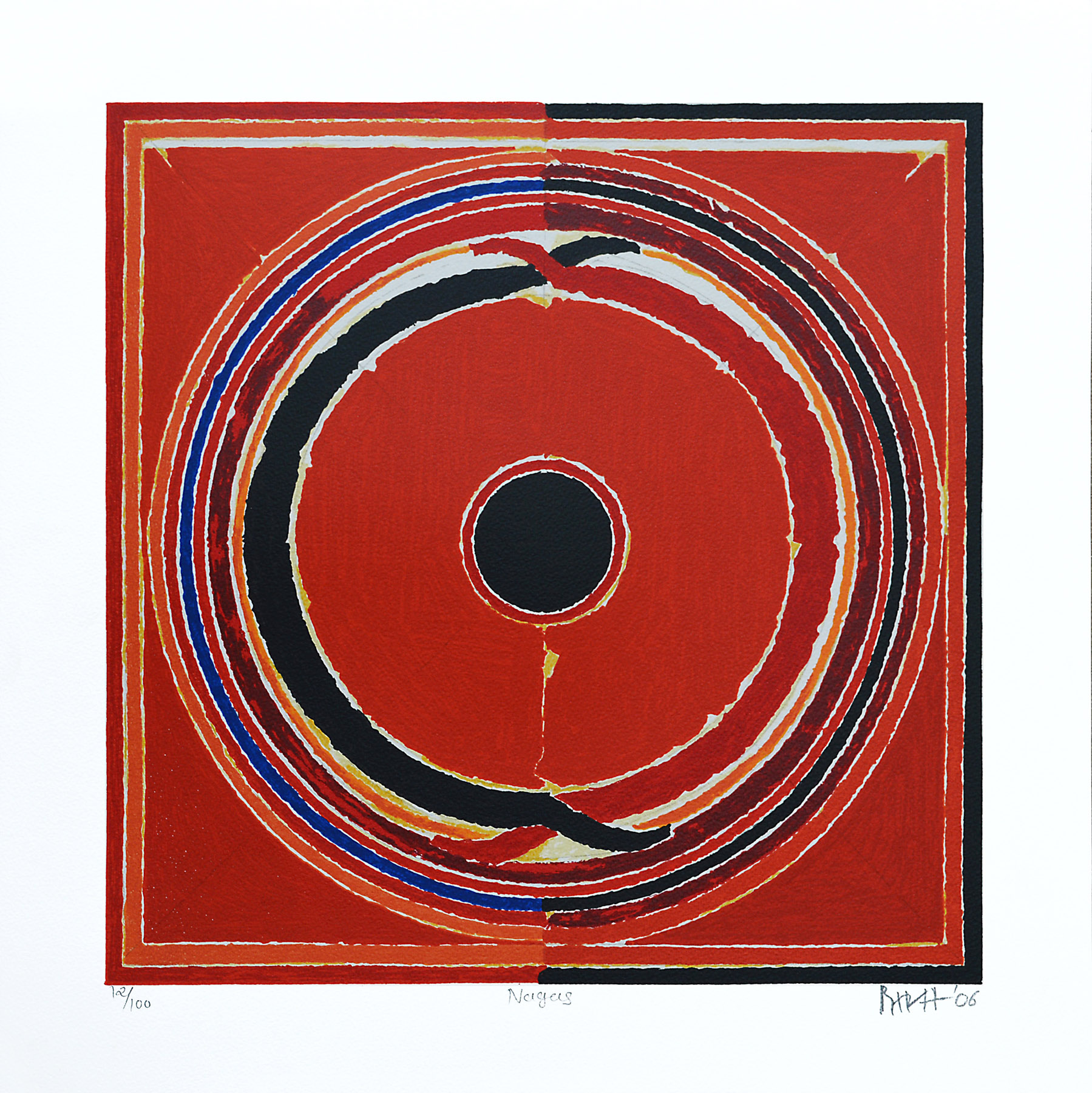
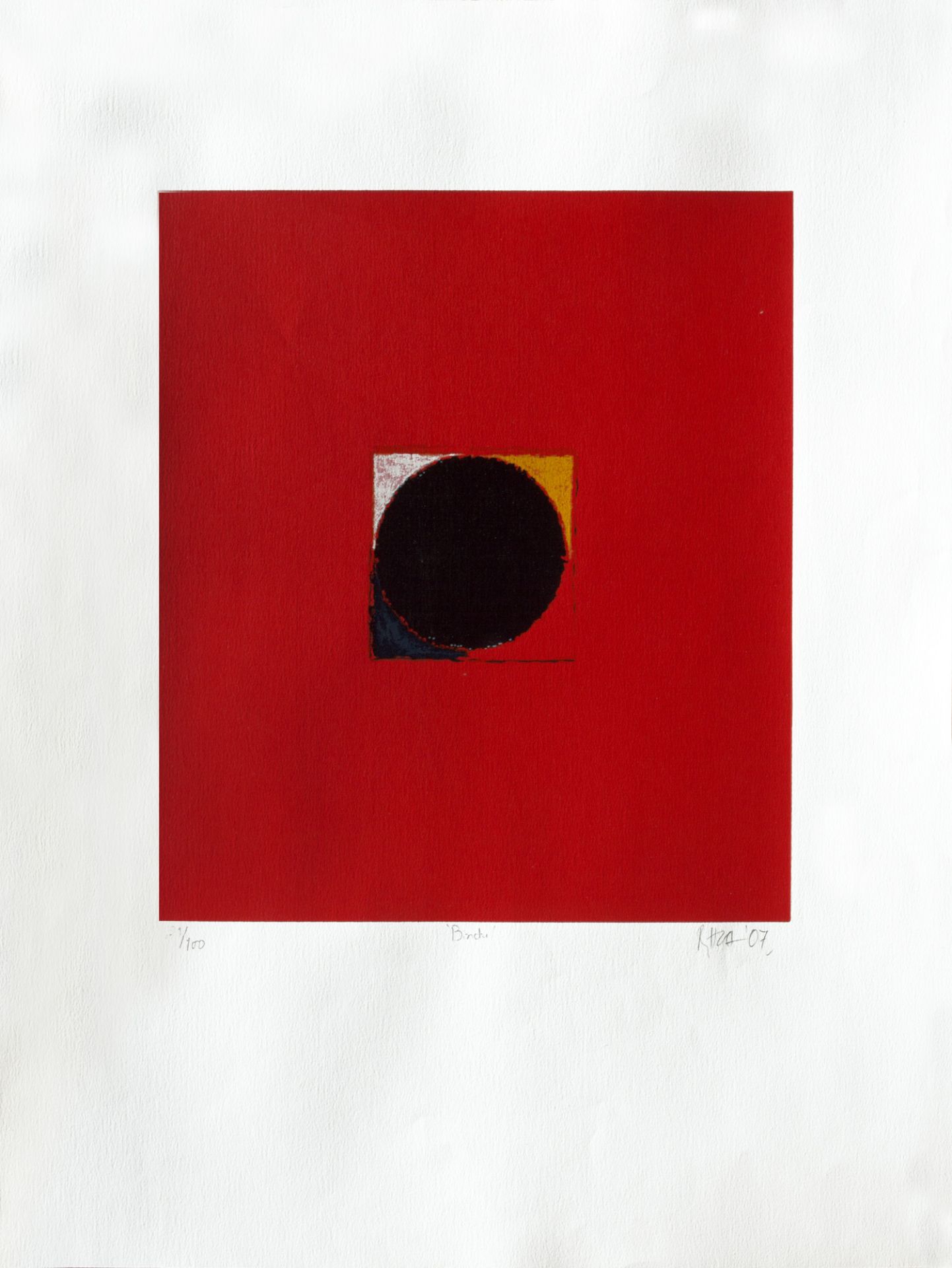
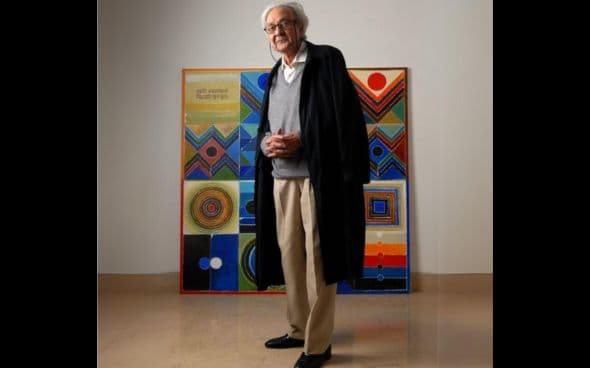
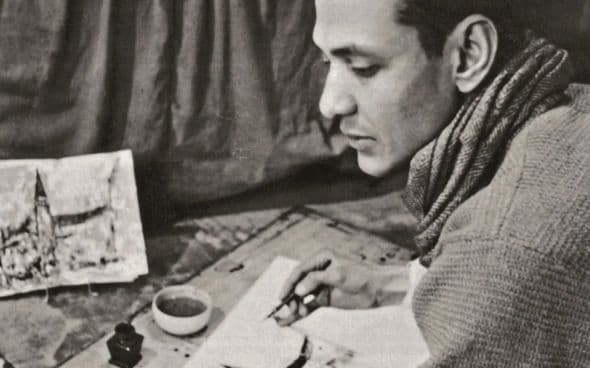
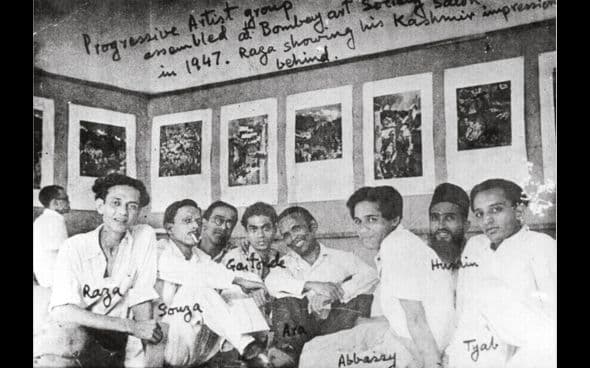
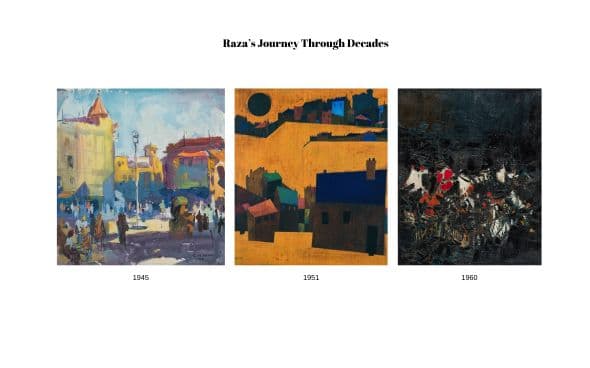
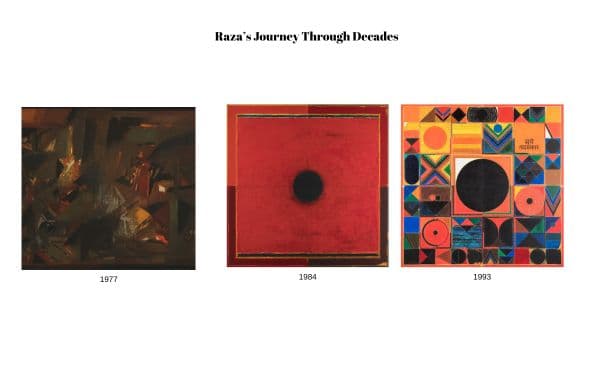
Sayed Haider Raza, a renowned 20th-century painter born in 1922 in Madhya Pradesh, India, found inspiration in his childhood memories of the dense forests and vibrant village life. As a founding member of the Progressive Artists Group, he embraced modern Indian art rooted in cultural heritage. Moving to France in 1950, he studied at École Nationale supérieure des Beaux-Arts, eventually settling in Paris. Raza's art, characterized by primary colors and abstract forms, explored cosmological concepts and geometric patterns.
His accolades included the Prix de la critique, Padma Shri, Lalit Kala Akademi Fellowship, Padma Bhushan, Padma Vibhushan, and Commandeur de la Legion d'honneur. Raza established the Raza Foundation to promote Indian art and culture, supporting emerging artists and organizing exhibitions. Despite his wife's passing, he continued painting passionately until he died in 2016. The Centre Pompidou hosted a retrospective exhibition of Raza's works, titled "Raza: The Fullness of Abstraction," showcasing his renowned pieces alongside photographs and documents, marking a significant showcase of his life's work in France.
Explore Raza's journey with 10 of his iconic works
and browse through the works of other master artists like M. F Husain, Thota Vaikuntam and Jehangir Sabavala.
His accolades included the Prix de la critique, Padma Shri, Lalit Kala Akademi Fellowship, Padma Bhushan, Padma Vibhushan, and Commandeur de la Legion d'honneur. Raza established the Raza Foundation to promote Indian art and culture, supporting emerging artists and organizing exhibitions. Despite his wife's passing, he continued painting passionately until he died in 2016. The Centre Pompidou hosted a retrospective exhibition of Raza's works, titled "Raza: The Fullness of Abstraction," showcasing his renowned pieces alongside photographs and documents, marking a significant showcase of his life's work in France.
Explore Raza's journey with 10 of his iconic works
and browse through the works of other master artists like M. F Husain, Thota Vaikuntam and Jehangir Sabavala.