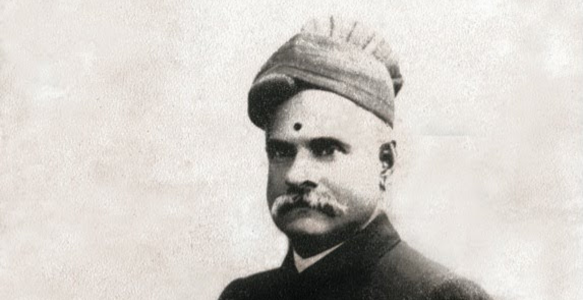
Who Is Artist Raja Ravi Varma?
Artist Raja Ravi Varma holds a truly special place in the world of Indian art. He is famous for bringing stories and emotions to life with such gentle elegance. His paintings feel familiar and warm, even if you are viewing them for the very first time.
Born in 1848, he created a visual language that blended myth with humanity. While people often praise his technical skills, his real gift is the emotional connection that keeps his work so deeply loved.
The Artistic Journey of Raja Ravi Varma
Raja Ravi Varma's artistic path shows a careful growth that was driven by curiosity, study, and a deep understanding of story. Let's find out more about the life of the artist Raja Ravi Varma:
1. Early Influences and Exposure to Traditional Indian Art
Raja Ravi Varma’s information on early life was all about poetry, storytelling, and temple traditions. Long before his official training began, he was exposed to gesture, proportion, and emotion through the murals he saw in places of worship. These early impressions shaped his thinking and approach towards mythological subjects. This is what allowed him to embrace their depth without losing their humanity.
2. Learning European Realism and Oil Painting Techniques
As he learned the methods of European academic painting, Varma embraced the precision of anatomy, light, and perspective. Instead of allowing these techniques to replace traditional ideas, he wove them gently into Indian themes. This created a style that felt modern yet rooted. Raja Ravi Varma's paintings began to show a fresh intimacy, allowing the viewer to recognise familiar figures through natural postures and expressive faces.
3. Lithographic Press and Mass Popularity of His Works
A pivotal moment arrived with the establishment of his lithographic press. Prints of his paintings travelled across the country, entering homes, shrines, and small businesses. They offered viewers beautifully crafted scenes from the epics at a time when access to art had been limited. Through this expansion, art by Raja Ravi Varma found its way into daily life, making his images part of India’s shared cultural imagination.
Explore the 15 Most Famous Paintings of Raja Ravi Varma
The following works represent the emotional and artistic range that defines the famous paintings of Raja Ravi Varma.
1. Shakuntala
Shakuntala is shown in a gentle, unhurried moment. The way she tilts her body and looks away hints at a quiet feeling she is holding within herself. Varma paints her with such softness that the viewer can sense both her calm and her longing at the same time.
2. Lady in the Moonlight
A soft radiance envelops the solitary figure, creating a scene that feels almost whispered. Her posture suggests calm reflection rather than melancholy. Among the many famous paintings of Ravi Varma, this work is admired for its ability to turn stillness into beauty through subtle light and quiet mood.
3. Hamsa Damayanti
This painting is all about when Damayanti met the swan with a quiet sense of wonder. Her expression is soft, and the swan’s gentle presence completes the moment. Everything feels calm and inviting, as if the viewer is stepping into a tender story.
4. Mohini on the Swing
Grace and ease come together in this charming moment. Mohini sits poised upon a swing, her garments flowing softly as if moved by a gentle breeze. Varma creates a scene filled with elegance. It allows the viewer to sense both movement and tranquillity, making it ideal as paintings for living room.
5. Jatayu Vadham
This powerful painting presents courage through expressive form and dramatic contrast. The moment carries emotional weight, drawing the viewer into the tension of the story. It remains an important example within the group of Ravi Varma's famous indian paintings.
6. The Milkmaid
A young woman stands with an easy confidence, holding her vessel as if it were part of her everyday rhythm. There is a gentle warmth in the way she carries herself. Varma turns this simple moment into something lasting and quietly beautiful.
7. Maharani Lakshmi Bayi
Maharani Lakshmi Bayi is portrayed with poised elegance, her attire and bearing captured with gentle precision. Within his artworks, this work reflects the dignified sensitivity often admired in Lakshmi paintings, allowing her regal presence to feel both radiant and intimately human.
8. Shakuntala Janm
The scene unfolds with tenderness as mother and child share a gentle connection. Varma paints the moment with care, allowing mythological significance to feel intimate. The composition holds both emotional softness and narrative clarity.
9. Draupadi Vastraharan
Emotion takes centre stage as Draupadi stands amid turmoil and divine intervention. Her expression reveals strength shaped by suffering. The painting remains a widely discussed work for its powerful blend of drama and humanity.
10. Ahalya Leaning on a Tree
The gentleness of nature frames Ahalya as she seems to be lost in silent contemplation. Her stance conveys reflection rather than hopelessness. Varma uses simplicity to create a scene that makes the audience want to stop and stay.
11. Madri or The Maharashtrian Lady
Cultural richness emerges through attire, gesture, and thoughtful expression. Varma captures regional identity with gentle precision. The portrait celebrates everyday grace and highlights his sensitivity to social diversity.
12. Shakuntala Patra Lekhan
As Shakuntala writes, lost in her thoughts, a moment of longing emerges. Her face is a mixture of control and hope. Because of its narrative intimacy and emotional nuance, many consider this to be Raja Ravi Varma most famous paintings.
13. Goddess Saraswati
With a tender connection between mother and child, the scene develops. Varma carefully depicts the scene, making the legendary meaning seem personal. Both narrative clarity and emotional tenderness are present in the work.
14. Goddess Lakshmi
A soft glow surrounds the goddess lakshmi painting as she offers a sense of abundance and peace. The composition is gentle and harmonious, inviting a feeling of comfort. Her presence seems both divine and approachable through Varma’s thoughtful detailing.
15. Lady Making A Garland
She arranges the flowers calmly, fully absorbed in what she’s doing. That steady concentration gives the scene a soft charm. Varma seems to enjoy showing these gentle moments from daily life, and it comes through in how he paints her.
Exploring the legacy of Raja Ravi Varma opens a window into the depth and emotion that define India’s artistic heritage. His work continues to influence how viewers experience storytelling through colour, expression, and atmosphere. Those who admire the best painting of Raja Ravi Varma often find themselves drawn to broader artistic journeys, discovering how tradition and imagination evolve across generations. At Artflute, this spirit of exploration thrives through a thoughtfully curated world of Indian paintings online, where artists celebrate culture with sincerity and craft. For those inspired by Raja Ravi Varma's paintings, Artflute offers a space to explore such talented artists, discover fresh perspectives, and engage with art that enriches everyday life.
FAQs About Raja Ravi Varma Paintings
1. What is Raja Ravi Varma most famous for?
Raja Ravi Varma is famous for bringing characters from Indian mythology and literature to life in a way that feels relatable. A Raja Ravi Varma paintings list often feels familiar because his imagery shaped how many people have come to picture the stories they grew up with.
2. What is Ravi Varma's unique painting style?
Raja Ravi Varma’s paintings beautifully mix Indian stories with realistic European styles. His art uses rich colours and expressive faces to make traditional scenes feel real and very relatable.
3. What is the most expensive painting of Raja Ravi Varma?
Many Raja Ravi Varma paintings fetch incredible prices today, especially the rare mythological ones. Collectors love them for their history and beauty, making them highly sought after at auctions.
4. Why are Raja Ravi Varma Paintings highly valued?
About Raja Ravi Varma's paintings, their value comes from blending European realism with Indian stories, making the art feel personal, emotional, and deeply human.
